Spiritual spaces of Manhattan
The encounter with St. John’s Cathedral begins when you turn the corner on W 110th street walking from the subway station eastwards. The deep shadows of dull brown row houses with minimal personalisation, signifying the inhabitants are mostly students, gives way to the intersection with Amsterdam Avenue. At a glacial pace, on your left, an ancient small building, intricately detailed and framed by old, gnarly trees with post-fall leaves, lumbers up. Reminiscent of old black and white movies, this is the Synod Hall. As befits a historical building, the stone exterior is streaked grey with time and the building belongs to a cloudy and wet day rather than a sunny one with blue skies. As I approached it from the corner, the side elevation of stub buttresses set up a gentle rhythm supporting the modest structure. On crossing the Avenue, the closed gates revealed themselves, inciting a pause to take in the full implications of the proud little, almost chapel-like, artifact. The proportions of the front facade - the entrance portico, Gothic window in the place of a rose window and roof articulation - are simple and somehow, calming. And the alteration of the mind and body commences. From a heightened and radiating personal space awareness (a perpetual Manhattan state of being), to a perceptible slowing down and collecting your senses to go inwards and flow towards the well composed form. Set in a foreground of,thankfully, unkempt landscaping, I smelt the oldness of leaves and the encrustation of the flagstones. Palms tingled to touch weathered stone and shardy wood and the vision darted around to find some smooth metal to balance the experience (research revealed the metal had been melted for the war effort!.
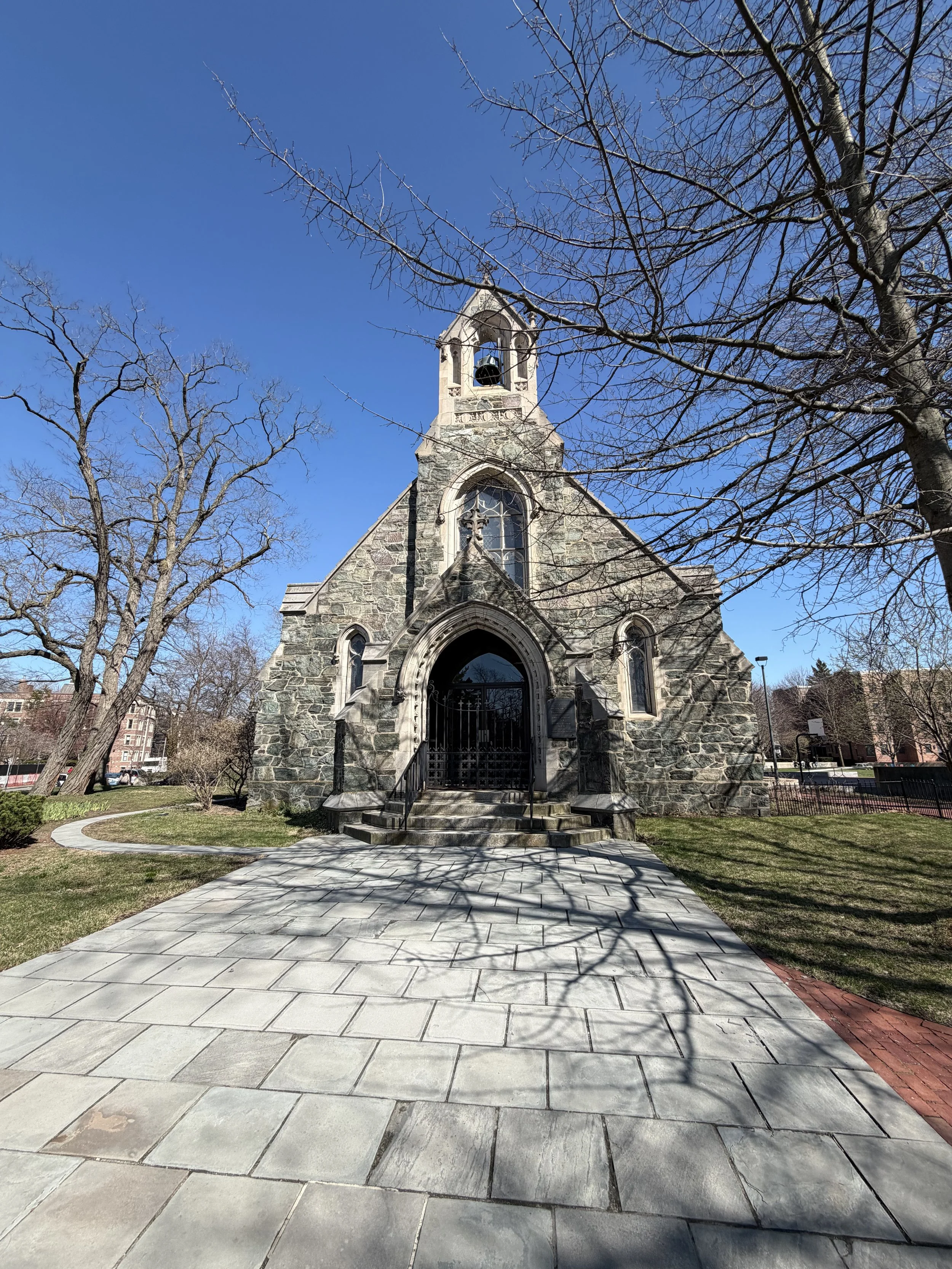
Figure 01 - The Synod hall from across the fence
Walking past Synod hall, the gaze is pulled upwards and outwards to a monolithic sculpture - the Cathedral. Bearing a startling resemblance to the Notre Dame in Paris, the flying buttresses’ latticed ribs float in the air, giving the impression of a space ship about to land or take off, depending on your frame of mind. It may be argued that ALL skyscrapers in the City soar on the z-axis, so what is so special about the churches, and in particular, St.John’s? The clue lies in the edge of the envelope where the building meets the sky and the composition of this conversation. The Chrysler personifies this relationship and is the “perfect” skyscraper after almost a century of its conception.The monochromatic stone cathedral towers above the grid of glass and synthetic panels of the surrounding skyscrapers which compete with the hulking mammoth and, in my opinion, are found wanting. The inspiration for skyscrapers is usually the classical column with a base, shaft and capital, which is absent in modern versions. In skyscrapers, the scale is magnified and floors keep the shaft flexible which messes with the proportions of the base-shaft-column. By contrast, historical buildings are designed as a composition of blocks of diverse shapes and sizes resulting in an aesthetically pleasing composition. As is obvious by now, the seniors are winning!
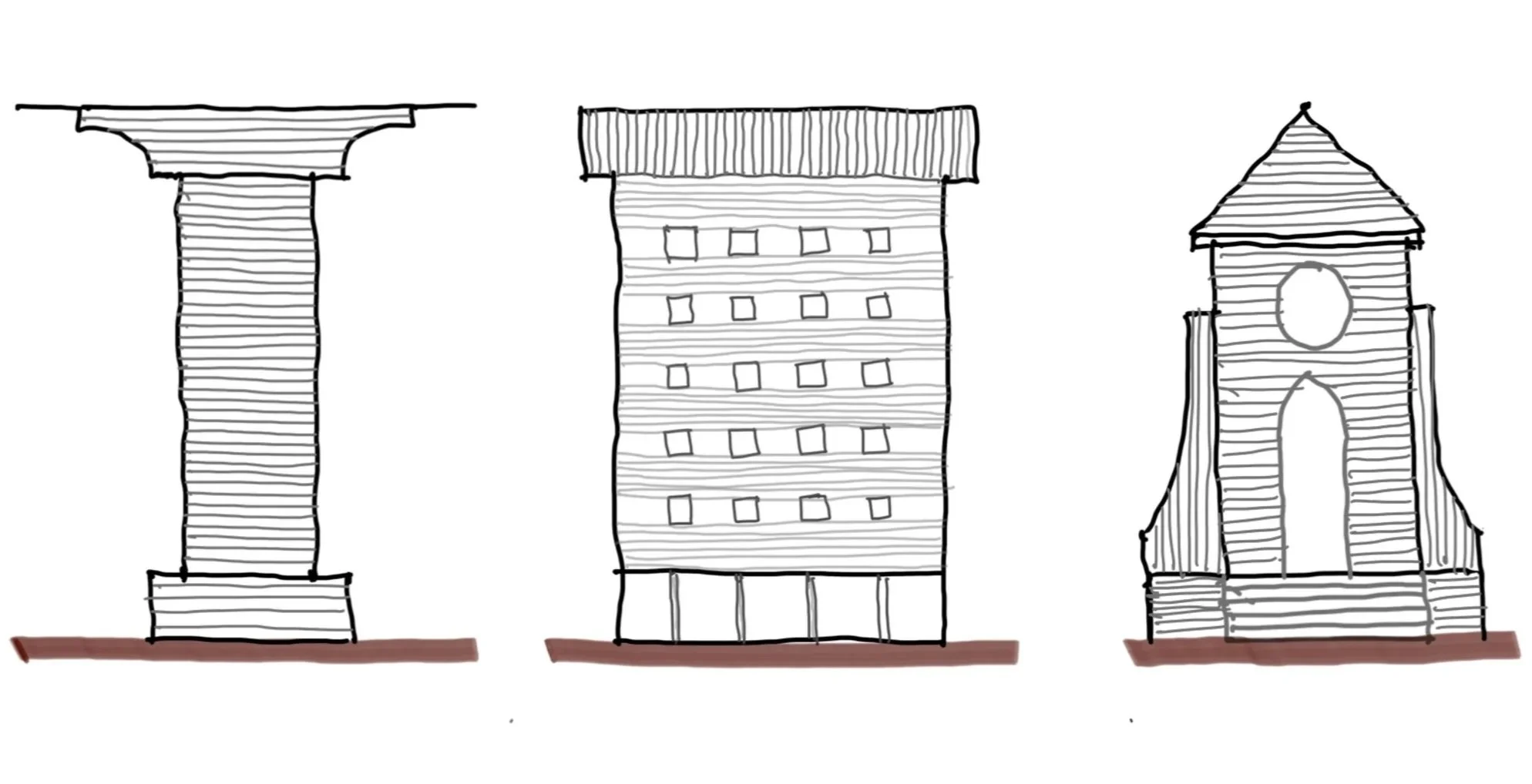
Figure 02 - Comparative proportional massing of a column, the skyscraper and a historical building
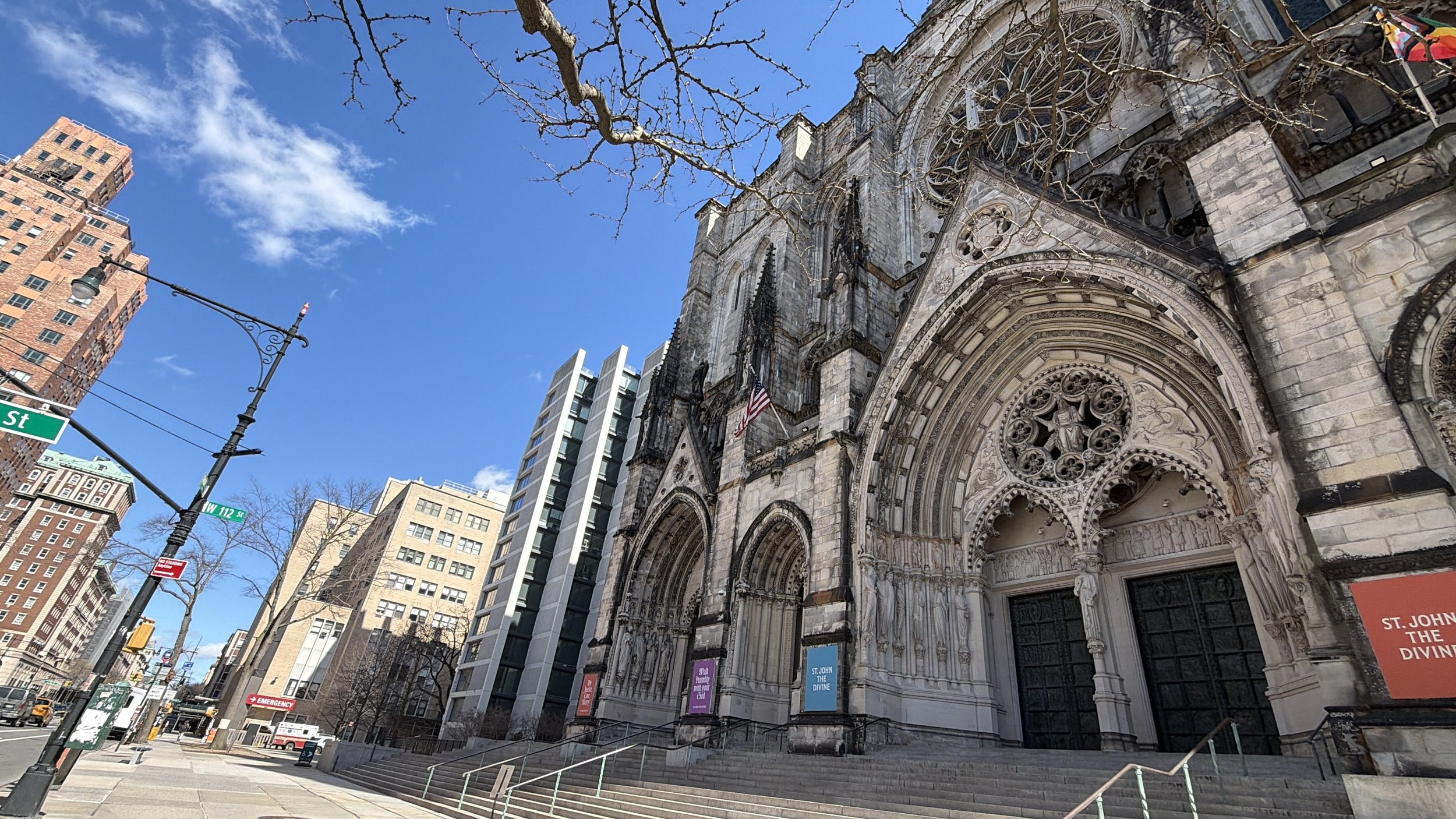
Figure 03 - The Cathedral situated within “modern” architecture
As one walks into the grounds, the generous space around the Cathedral allows vantage positions to view the building on its linear facade with the flying buttresses. St.John’s is placed on an expansive precinct occupying a ginormous three blocks, backing on to the Morningside Park. This is a rare feat in the City where one needs to crane the neck all the way back to see the top of a building. On occasion,my walking buddies who are New Yorkers, are accosted with my questions about the buildings on the street that we are walking on. Usually, they do the New York shrug while sharing that frankly, no one looks up at the buildings, especially where they meet the sky. So does this mean that this edge is irrelevant? Absolutely not, it just means that mostly there is paucity of need, space and time to see the full height of buildings we are walking beside. They are just there as doorways, storefronts, sit-outs at the pedestrian level. That said, the cognitive impact of the built environment surrounding the sidewalker is significant and owing to my academic bias, measurable. Studies in neuroarchitecture are examining this numerical value but frankly, is it necessary to measure the impact of aesthetic dissonance on the human mind or is it enough to just acknowledge its existence?
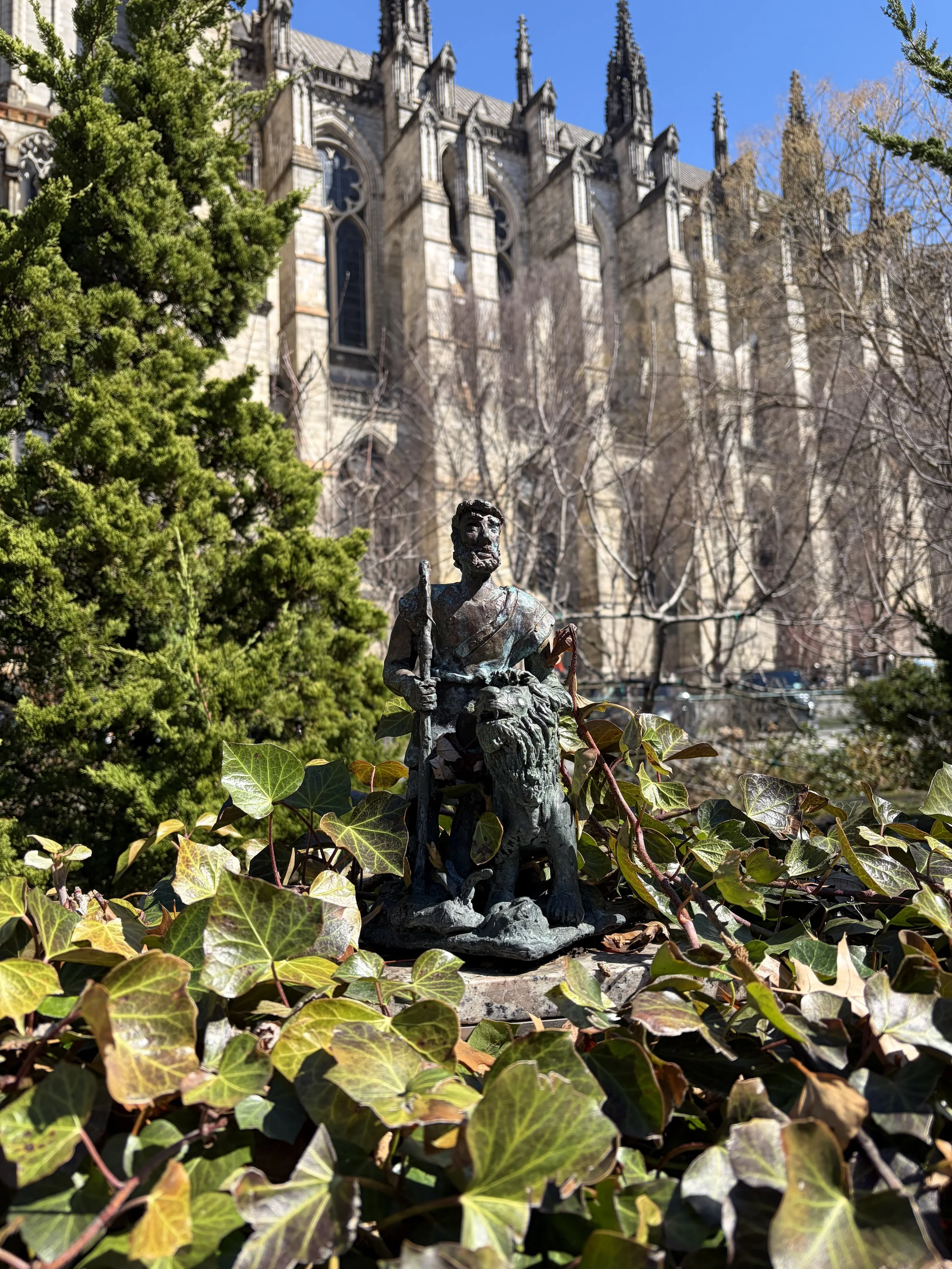
Figure 04 - The flying buttress framed with foliage
Back at St.John’s, the edifice assaults the body and the mind. As one approaches, the scale of the façade begins to recalibrate the body’s sense of proportion. The vertical lines—pinnacles, tracery, spires — operate as vectors, drawing the gaze upward and, with it, subtly re-organizing posture, breath, and movement. Gothic architecture, in this sense, is kinesthetic by aligning the body into an act of ascent. The stone sculpture induces the perception of a monolith, inciting our cognition into a primordial instinct of viewing nature, especially mountains, as objects of veneration. The triangulation of Gothic architecture is designed for manifesting the location of the celestial as above in the heavens and our spiritual instincts surface spontaneously. The rough texture of the stone invites touch and you can almost feel the abrasive coolness as there is a faint tingling in your palms. For a moment, I imagined substituting the material of the cathedral with highly polished marble that reflects light, narrowing one’s eyes to reduce the glare while the haptics is the smoothness gliding across your fingertips. Which is the appropriate material?!
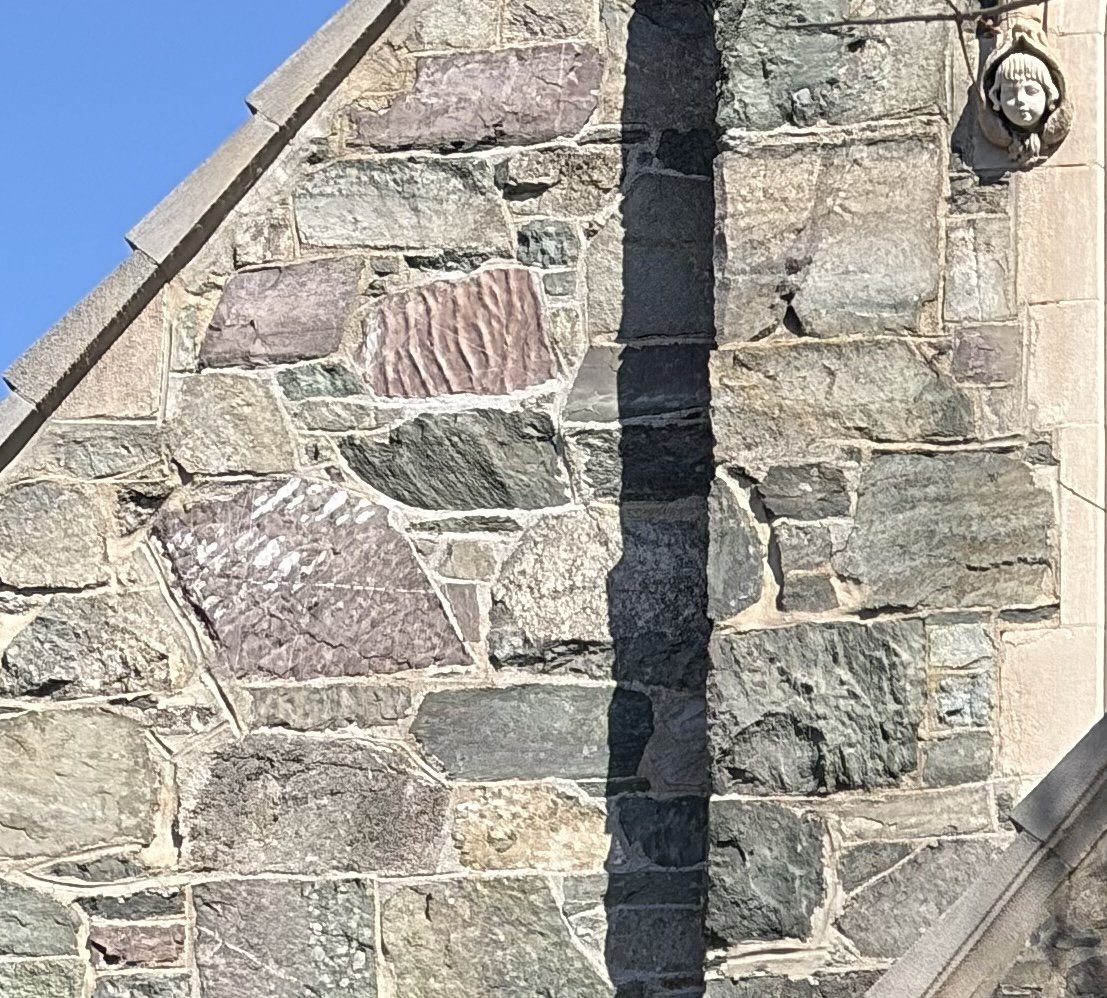
Figure 05 - The material and nano-narratives
As is with overwhelming architecture, there is a hesitance about approaching it up close and entering. So I walked around the gardens, sneaking side glances and refusing to take pictures as that seems sacrilegious. I smelt the vegetation, listened to children playing in the school yard nearby, birds chirping and slowly the sounds of the city receded from the interaction between the viewer and the architecture. Finally, after it became ridiculous, I decided to take pictures, knowing full well that the captured image will not do justice to the experience of being in the presence of this creation. Then it was time to enter the machine (...the spaceship association). Slowly, to delay the moment,I walked to the front of the cathedral and let the scale dwarf me with the steps leading up to the portico, the recessed archways and the rose window.The asymmetrical facade did little to minimize the aesthetic proportions - conversely, it ignited the imagination by mentally placing versions of the missing turret.The intricate stone tracery decreases with height of the facade, except the detailed circular rose window, starting the stream of questions on reasons behind the unfinished quality of the cathedral.
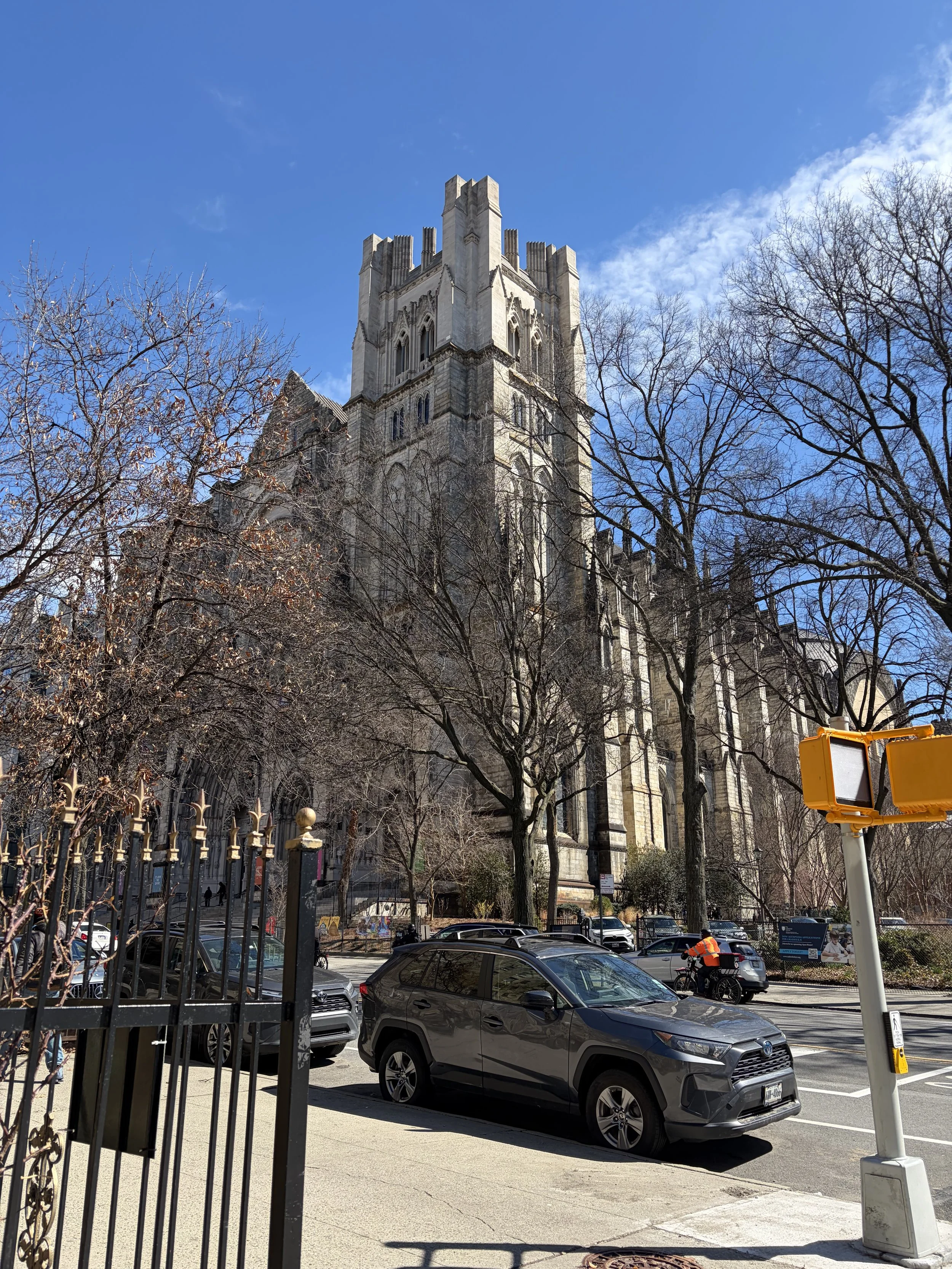
Figure 06 - The urban actor
Climbing up the steps in the shadow of the looming contraption, the bare stone radiates age and stories - who all had walked on them, where did the stone come from, how did the mason set them in place, how much had they weathered, what material is filled under them, how many years more will they be used for? Two ladies sitting on the steps watched with the wary derision of a native observing a stranger and a bit too late, flashed a smile of encouragement. Thankfully, the pointed arch entrance portal which had induced a pause, directed my gaze upwards to study the deep niches and the iconography - what are the stories waiting to be narrated, who were the masons who carved the stone, what is the relationship of this portal to the entire edifice? The wood on the tall doors needs polish that adds a rawness which chafes the hands and adds to the mystique of layers added by age.
The door handle is cold metal and given the size of the door, opens with little effort. The thick silence of oldness descends.
Next, we will explore the interior of this embodied space.