The Obama Presidential Center
After a long time, not just a building but architecture. Here, I must caution : heavy read ahead. Visiting Chicago and not seeing the Obama Presidential Center (henceforth, OPC) seemed rude, so we took the bus from downtown to the infamous South-side. Let me put it out there: the trip went through some incredibly prosaic cityscape, which was disappointing considering I was all fired up for an encounter with the wild side. The bus ride was eventful - crowded with locals who, with barely concealed pity for an obvious tourist ( I think my orange pajama suit gave it away) , offered to give me a seat, which I proudly refused, at the risk of being swung around like a pendulum in a bus driven by a zestful driver on an hour long trip. Tumbling out of the bus, one assumes that the OPC will reveal itself gradually as one walks towards it, growing on you and allowing appreciation at varying scales. But this is Chicago and subtlety is for the weak hearted, therefore, the OPC is, literally, (please read in the New York yuppy accent) in your face. And this is where one gets weak kneed.
The sculpture towers above the human and because one can walk up to the base, I had to crane my neck all the way back to see the top where it meets the sky. Instinctively, I reached out to touch the rough and gentle finish, peering to see the joints and cracks, the hidden reds and blues. Then I took a deep breath and creepily tried to smell the building, to my daughter’s embarrassment, but she has learnt the hard way that Mom is a bit not sensible (euphemism for crazy). Now for the full “parikrama” or ambulatory path around the relic of an ideology under intense scrutiny and debate, but more on that later. While walking around the monolith, I tried to break down the massing into solid and void, geometric shapes, light and shadow and other principles of form and space but the logic defied a simple computation process. Aha! A clever three dimensional form. Was it like a rubik cube puzzle where the pieces form a coherent composition after manipulation or more like the Mona Lisa or the Starry Nights where the more you look, the more you see and the composition disintegrates and reintegrates like a living object, pulsating and almost breathing? It is the latter but in the minimalist genre. The smoke coming in from foreign lands was not helping my lungs that started to react as if I am back in Delhi, but enveloped the rocky outcrop appropriately - a bright and sunny day seemed inappropriate for appreciating the Brutalist icon.
On purpose, I try not to study the building or the place that I am going to experience in person before the visit. It ruins the relationship between me and the place when mediated through another’s mind, even if that is the creator. Though I know about the work of architects Billie Tsien and Tod Williams (who doesn’t, right?) from another life, I did not brush up on my ancient knowledge to remain innocent and naive, a critical ingredient for experiencing architecture - feel before you can think. The verdict - gut stirring, as they say here and at home would be, touching the soul. Inspired/humbled, intrigued/reassured, hopeful/despondent, in love/envious, peaceful/angry were the conflicting/supportive feelings elicited by the form and its materiality rooted in its context. Now, we can analyse the form to explain why, but that is for the classroom. I decided to just feel without the need to analyse, which is the outcome of a Western education - everything must be examined for a logical and rational explanation, right? Wrong. Some objects just are and one may bask in the aura, without giving in to the involuntary instinct to figure them out.
So is the OPC embodied? Hell yeah! This I will analyse because I am testing a hypothesis ( and here we go again). The spatial field is occupied by the building itself. So far we have explored being embodied in space but this is an embodied form that engulfs you in its spatial field, which envelopes its personal “space bubble”. ( Alexander, C., Ishikawa, S., Silverstein, M., Jacobson, M., Fiksdahl-King, I., & Angel, S. (1977). A Pattern language: Towns, buildings, construction. Oxford University Press.) The structural encoding of the form is produced internally by the geometry and its vibration with the immediate surroundings. The embodiment is experienced both at the static -snapshot moment and at the kinetic - walking around the building level, where the form reveals itself, shy and beautiful - a subjective interpretation because my daughter is remarkably blasé in her reaction to the OPC (which could be a Gen Z thing but I fear it is not). The abstract geometry of unpredictable angulation is exciting as a primary instinct but because it is born out of an intensely rigorous ideation process, which has been through infinite mathematical and artistic iterations, to arrive at the “one”, is intellectually spiritual. Therefore, the kinetic sequence of navigating the space around the building is complex and engrossing. As is abundantly clear, the sensory immersion is sublime, producing a mind-body unity, the “soulful” experience. I am happily and smugly assuming that this is attributed to Tsien's non-Western roots, so there, I said it. The embodied knowledge is generated through the filter of a constant awareness that this is the OPC personifying the life, vision and philosophy of an American president who has provided a space for a vital organ, probably vestigial, to thrive and enrich the enviable philosophy that had made this country unique and inspirational for our generation. Memory and culture kicks in to complete the embodiment process. This is definitely a non linear process where the stages loop back and forth, ebb and flow to generate a memorable experience. I did not go inside the building, which is preferable because the exterior composition is sufficient and I was a bit worried that my euphoria may be deflated. Some architectures are to be experienced from the outside.
At the risk of committing blasphemy, I had visions of Corbusier’s the Ronchamp fleeting in, attributed to the treatment of the fenestrations, the ethereal connection of the grey granite with exposed concrete and the abstract geometry of the monolithic form. Love Corbu so love TWBTA (Tod William and Billie Tsien Architects) ? Maybe. Now I read the philosophy on the website, see the studio video, explore the slowness manifesto and things fall in place.
“Its (architecture’s) foundation lies in believing that it is possible to make places on the earth that can give a sense of grace to life—and believing that this matters. It is what we have to give and it is what we leave behind.” https://twbta.com/studio/philosophy/
My interpretation engages with “sense” as human interaction with architecture, in particular, and the echoes of non- Western understanding of our life as a snapshot moment in the space-time continuum. I hope we, as sentient beings, appreciate how precious physicality - the material, hand sketching, paper drawings, talking and making, is in the new world of curved computer screens, 3D printing, holographic immersions and headsets. The sight of A0 paper sheets with coloured ideations, the library of materials being caressed by the studio team (the familiar palm itch has initiated) and the reference to collaborating with local artisans produces nostalgia. So yes, admire TWBTA because love has been exhausted.
To remain politically neutral, another trickle down impact of the times we have lived in, I cannot say “You must visit the Obama Presidential Center”. To remain architecturally responsible, I will say “You must experience the Obama Presidential Center.”
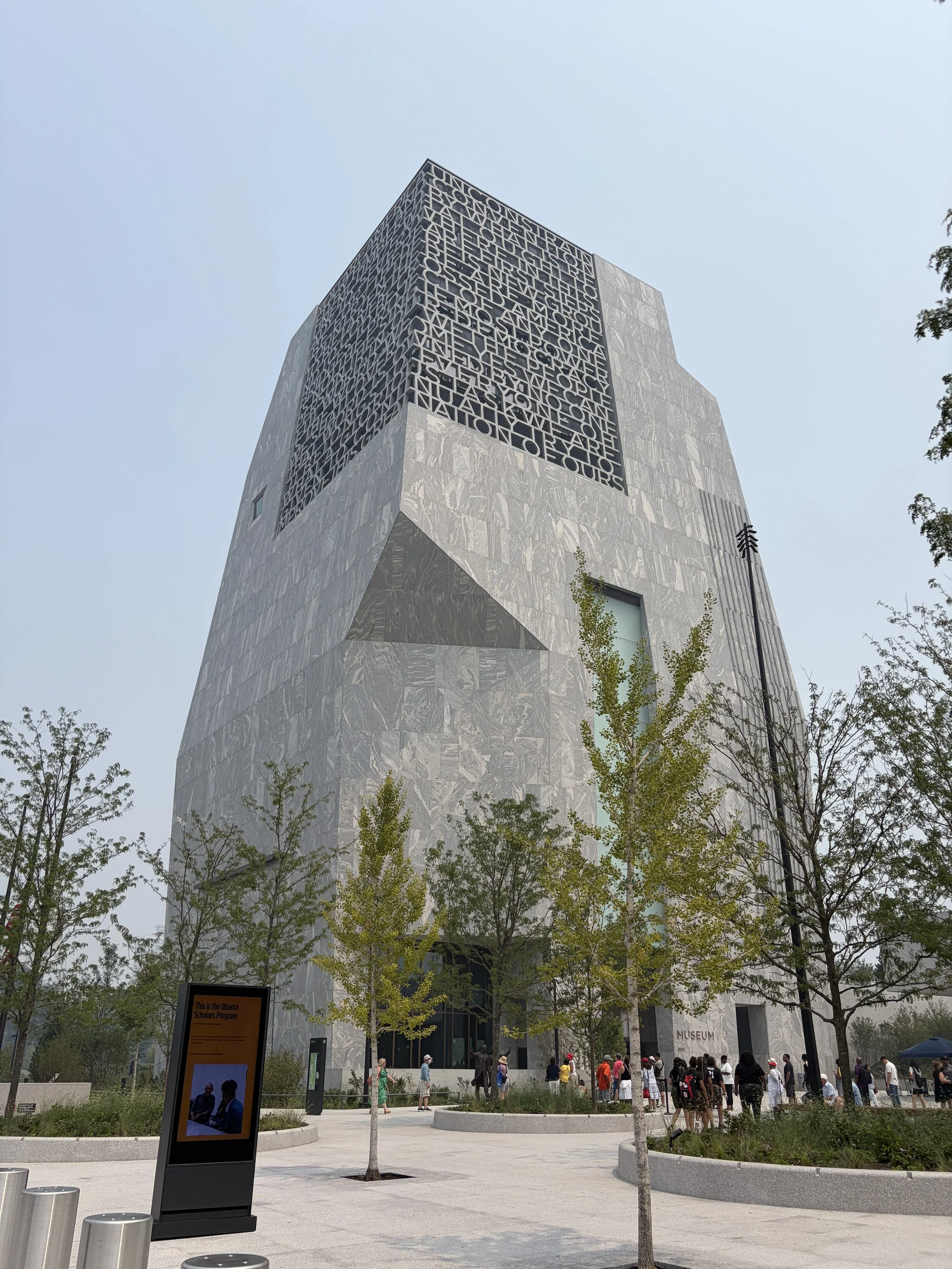
Image 01 - The corner that the visitor enters from articulated by the jutting out facet and signified with the perforated ( jālī ) cuboid. The form pulsates like an abstract being.
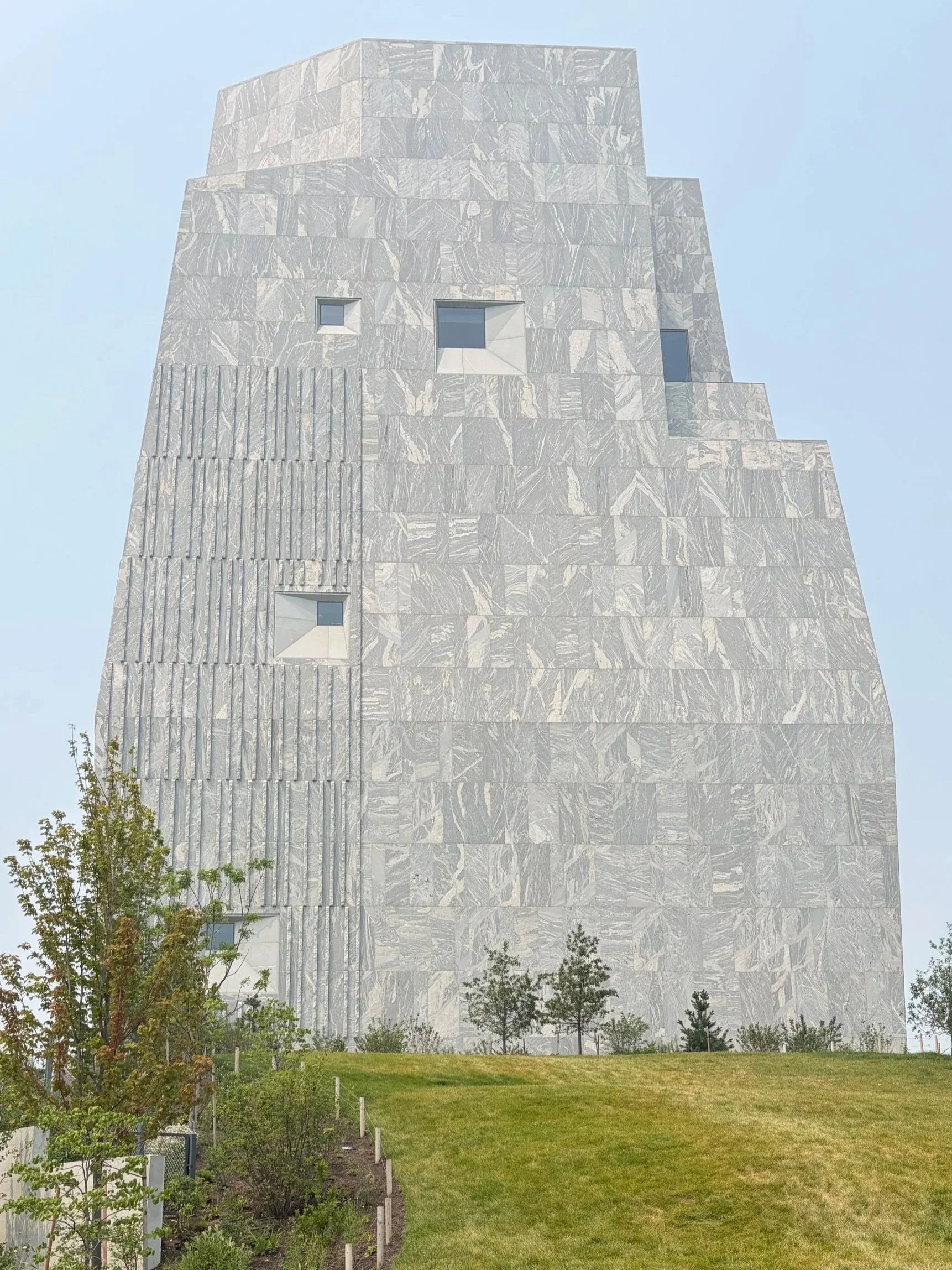
Image 02 - The side that faces the landscaped parkland. The gridded stone cladding and vertical striations produces the “rocky outcrop” and fenestrations remind me of the Ronchamp.
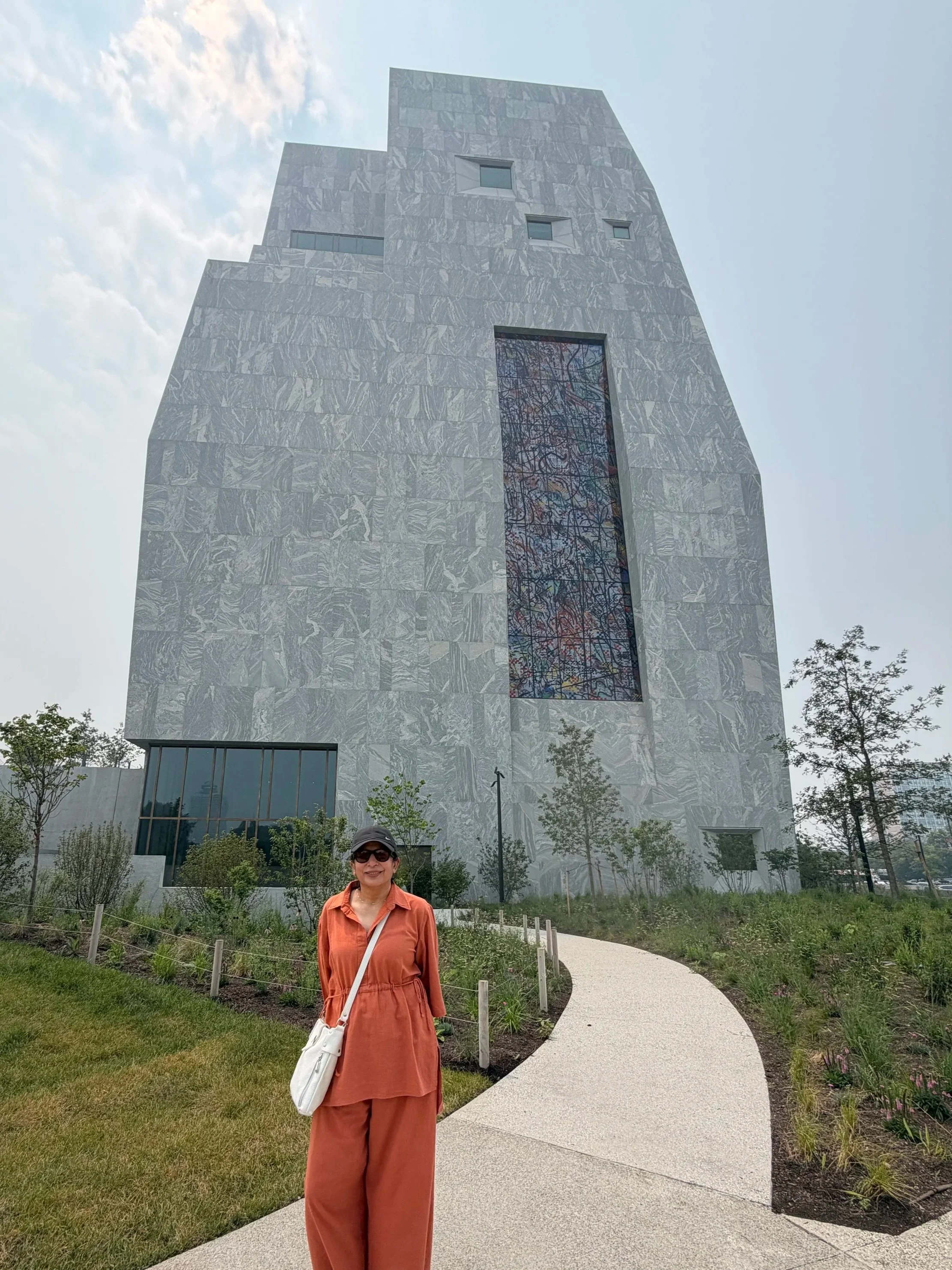
Image 03 - The next facade. The tall glazed indentation echoed stained glass and exemplified the resonance with higher order contemplations. (Now you know why the touristy vibes. I abhor self-photos, so this is to insert a human scale and showcase my visage of transcendance in honour of the object behind me.)
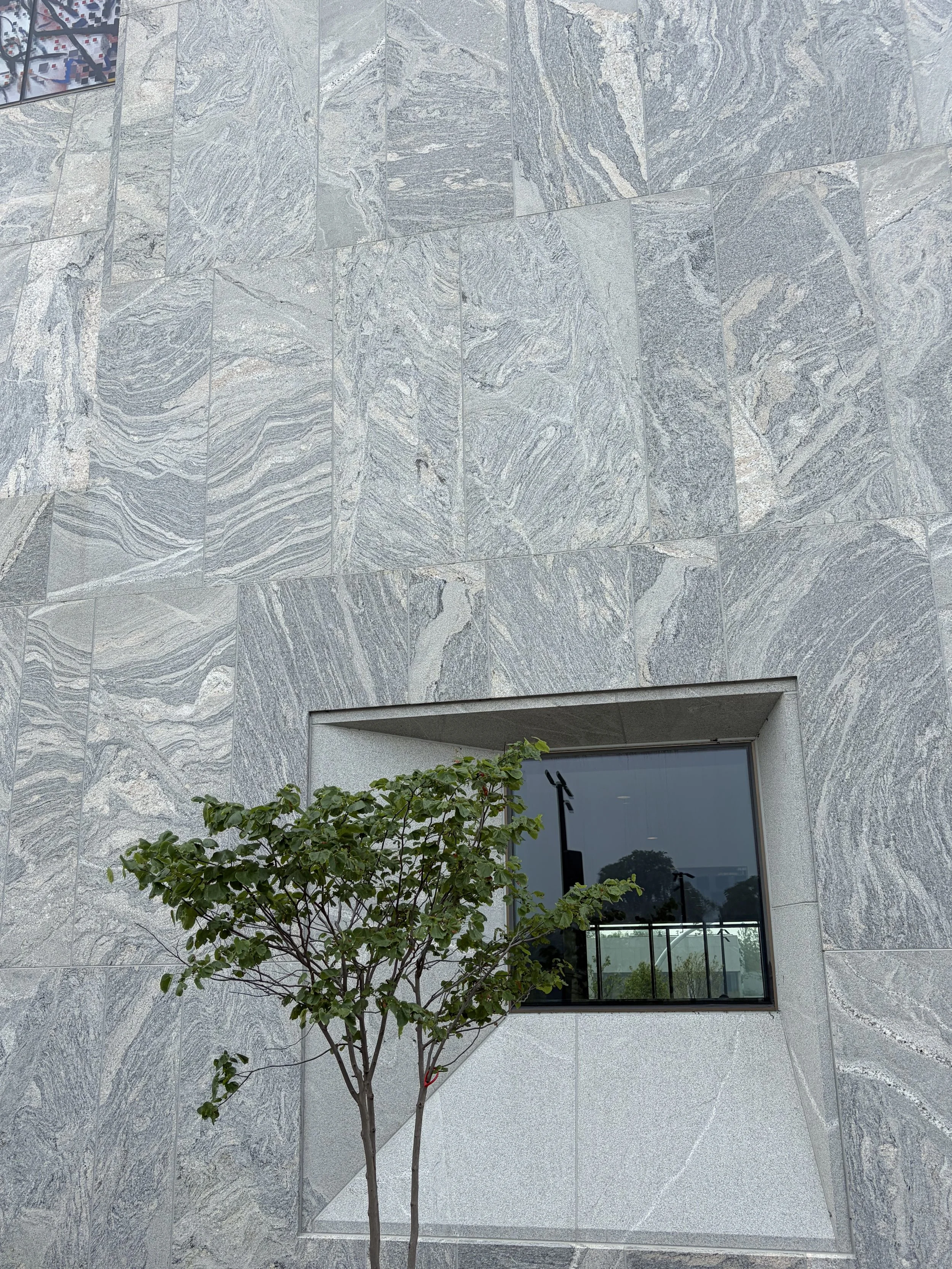
Image 04 - The textures and geometry of materials juxtapositioned with nature.
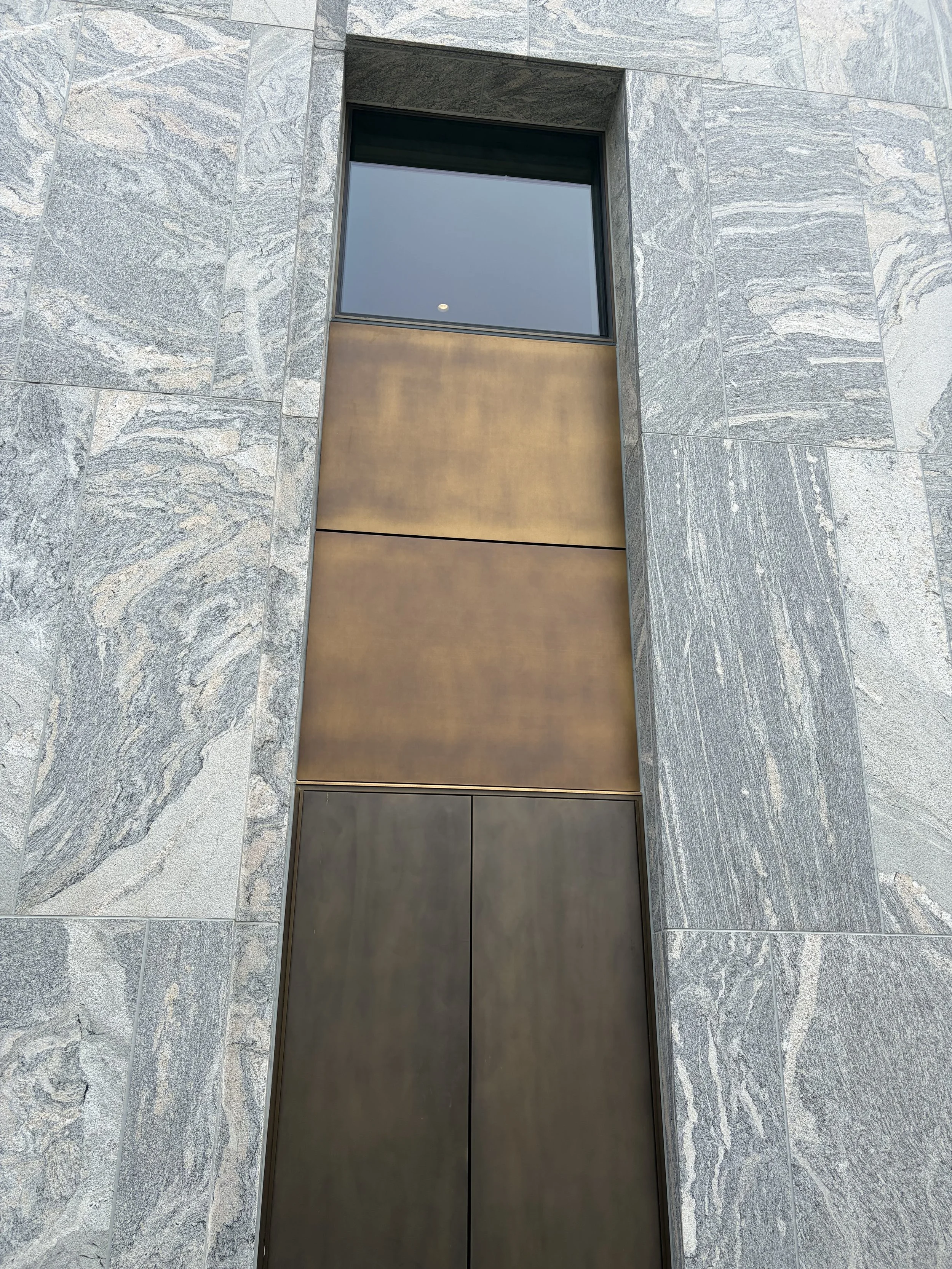
Image 05 - Hues and tones of metal and stone.