As the main axial doors in the narthex are closed on most days, the usual entrance is from the aisle, which is cordoned off to create an ad hoc entry hall. This alters the experience of entering through the nave, facing the apse and walking up to the chancel. The linear focus is a recurring attribute of sacred spaces aligning the human subject directly with the deity. Imagine, if one has to walk down a meandering path with gradually revealing vistas enroute from the narthex to the apse, the focus required for going inward from the external physical world would be compromised with distractions. Keeping the body and mind zeroed in on the aim of the experience - a dialogue with the metaphysical - is emphasised with the linear axis . The check in and merchandise store are tucked into the beginning of the nave, diluting the anticipation of experiencing the internal volume. Eventually, the apse is visible far away in the shadows. Lesson : lead the visitor through a comprehensible path where functional requirements are ancillary and do not interfere with the elevated state of mind. The aisles on both sides are integrated with the nave and consist of modules of visual displays flanking the visitor. This is confusing. Are we in a spiritual space or a museum? It is understandable that the institution is capitalising on available space to generate interest and increase footfall but for some of us, this is a distraction. If the aisle is segregated from the nave, as it usually is, then the circulation paths of the casual and the dedicated visitor are divided, ensuring that the linear focus remains sacrosanct.
The nave is subdivided into three zones based on the materiality of the interior space. The first zone is raw and exposed, the second is a composition of smoothly finished and rough palette and the third area is finished with dressed stone, fine matalwork and wood proceeding into the apse. The work-in-progress character adds to the charm and mystery of the cathedral, giving rise to contrasts and shadows and inciting cognitive engagement of reasons and meanings - why is it unfinished, did they run out of money, was there a war or a natural disaster or a political turmoil ? The crossing is truncated as the transepts are absent. The flat dome in terracotta exposed brick - not sure if this is cladding or structural - resting on burnt brick semi circular arches seems to be almost skeletal waiting to be enshrined in a sheath, accentuated by the metal struts inserted to hold up the arch. This may appear disconcerting but is endearing as it adds to the minimalist vibe. The cheek by jowl positioning of terracotta and grey complements gracefully weaved together by the rough textures. The light filtering in through the clerestory apertures with stained glass is lavender today, due the unique amalgamation of the position of the sun, time of the day, cloud conditions and the colour spectrum of the glazing. The earth tones of the crossing are framed by the cool blue hue falling on the finished stone flutes of the columns that are startlingly detailed, reminiscent of Gothic ribbed vault tracery.
The pulpit is a sculptural icon in stone, standing proudly as a testament to classical inclinations replete with statuary and intense carving. The parapet on the steps that lead up is stone tracery instead of the predictable wood or metal - one can imagine the mason having fun with converting rugged stone into a work of intense labour! Inset in the niches travelling up the corners of the columns that frame the chancel are a series of cartoon figures which defied categorisation - are they insects/animals/dolls? These break the reverie of immersion into a time far away and are now the subject of evolutionary research by the author! The corridor leading to the ambulatory around the chancel and apse are distinguished by metal gates in intensely detailed wrought ironwork and painted dark. Why are there gates to the ambulatory? Whatever be the reason, the delicate filigree work provides a significant foil to the hard stone. The choir seating in the chancel is in dark polished wood framed by the almost Romanesque arches encircling the apse. The pipe organ is mounted on top of the choir, inset in deep shadows where light, natural or artificial, may do justice to this powerful component of the interior.
On the rare occasion, (and I was there for one) when the pipe organ plays with the choir singing, the impact on the listener is sublime, especially if one reduces the hegemony of the eyes by closing them. The acoustic engineering of embodied spaces allows science to intersect with cognition such that even to the uninitiated, the experience is transcendental. The oldness of the walls, floor and ceiling is perceptible in the smell - the damp mold fighting with modern furnishings, mingling with the aroma of heat arising from the strong artificial lights gently singeing the dust, paint and textiles. The ear-nose-throat connection produces a mildly sour burnt taste that is not entirely pleasant but not unpleasant either, so the nose twitches and the throat gulps. There is refuge in the familiar odour of cleaning chemicals mixed with your perfume and the wax from candles - back to the present. Memories of movies based in European medieval times arrive unannounced into the mind, accompanied by the dark times and themes, which probably leads to uncharted territories from which one needs to recede. The unfinished nature of the cathedral allows transportation into pre-modern environments where sophisticated perfumes and chlorine bleach do not belong! The lack of natural light adds to the primordial setting that contrasts with the high intensity and focused light fixtures that distract from a sensory immersion into alternate worlds - note to self : share feedback with the administration to take professional assistance on lighting design. Another note : the exhibition design needs help as well as the book shop and ticket counter.
As it is time to leave this refuge from the sensory overload of the City, the body tightens, the breath quickens and a deep sigh signals that it is time to leave the altered state of mind-body unity that one experiences in an embodied space. “Back to life, back to reality, back to the here and now.” (Soul II Soul, 1989)
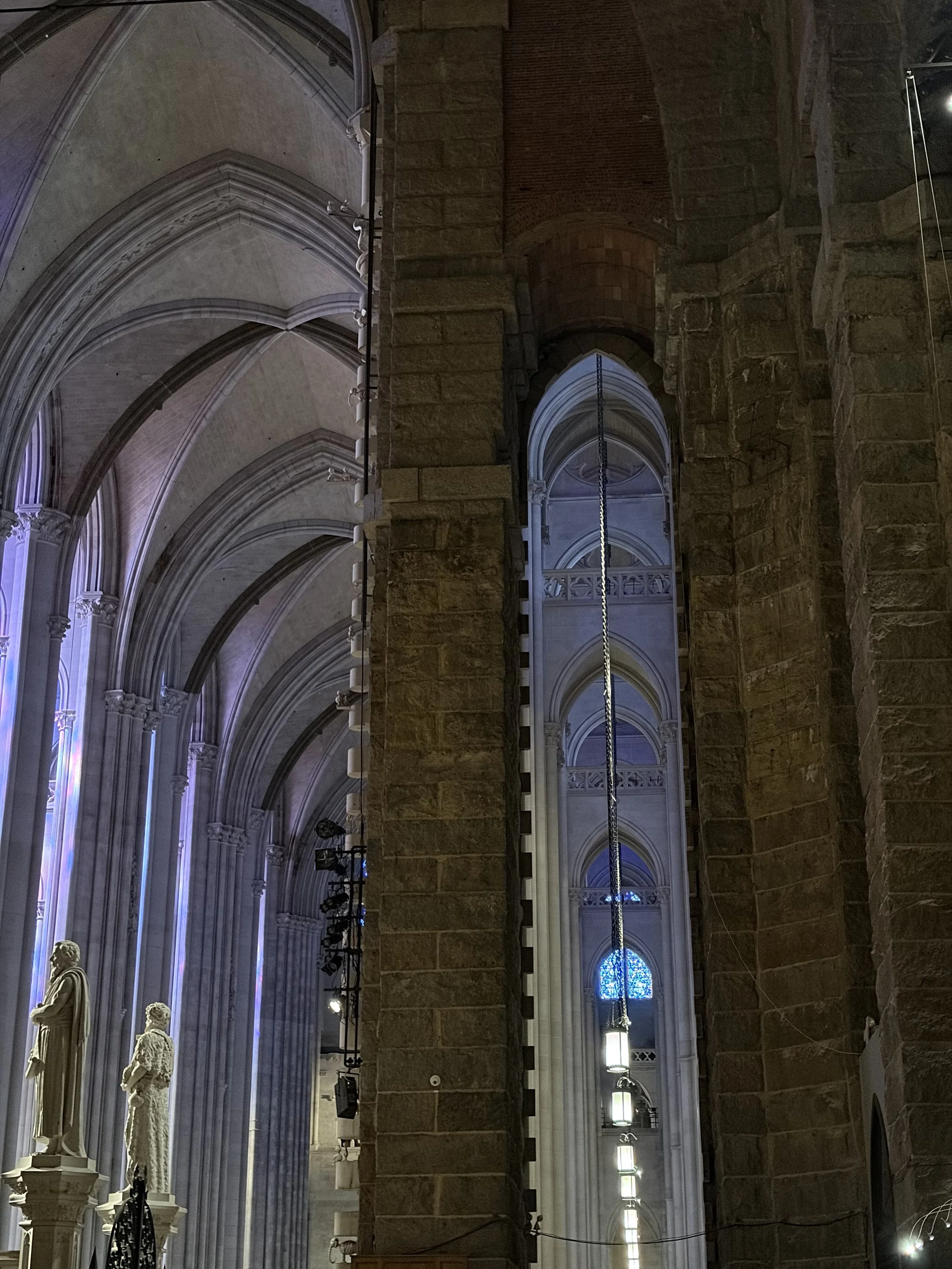
Figure 01 - The ethereal light washing internal surfaces
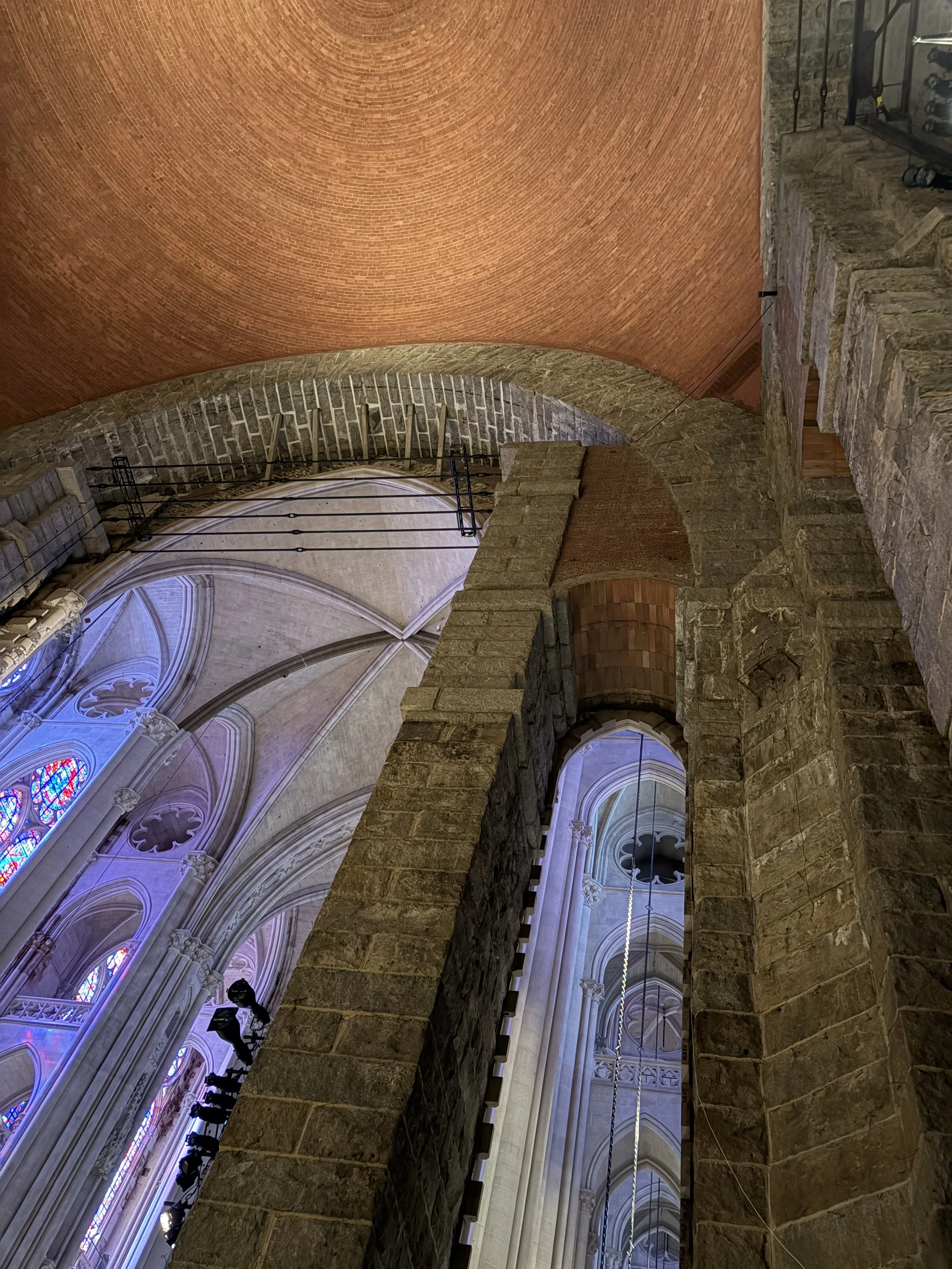
Figure 02 - The flat dome in terracotta, the undressed stone and the fluted columns
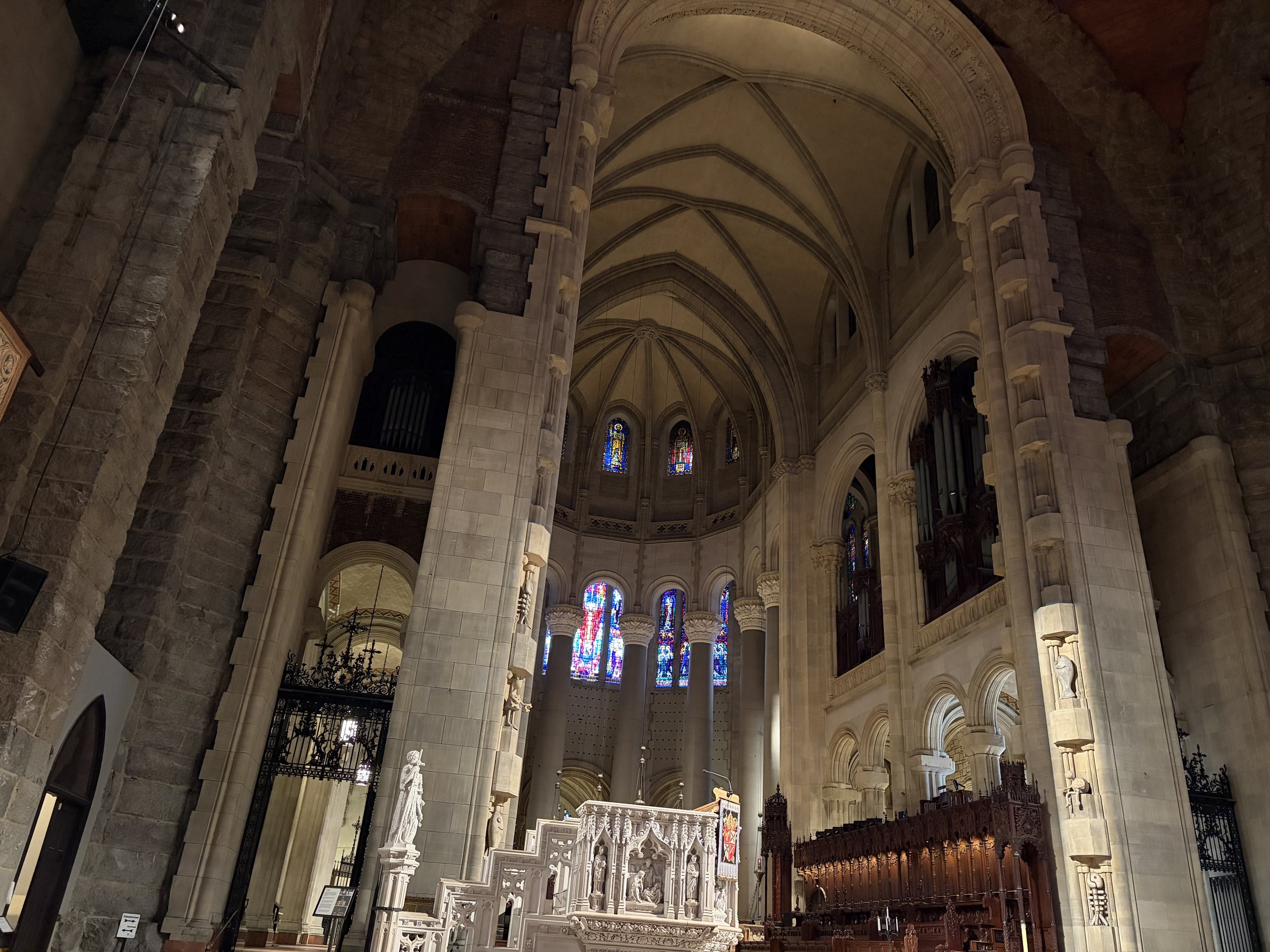
Figure 03 - The pulpit, choir, pipe organ and the apse
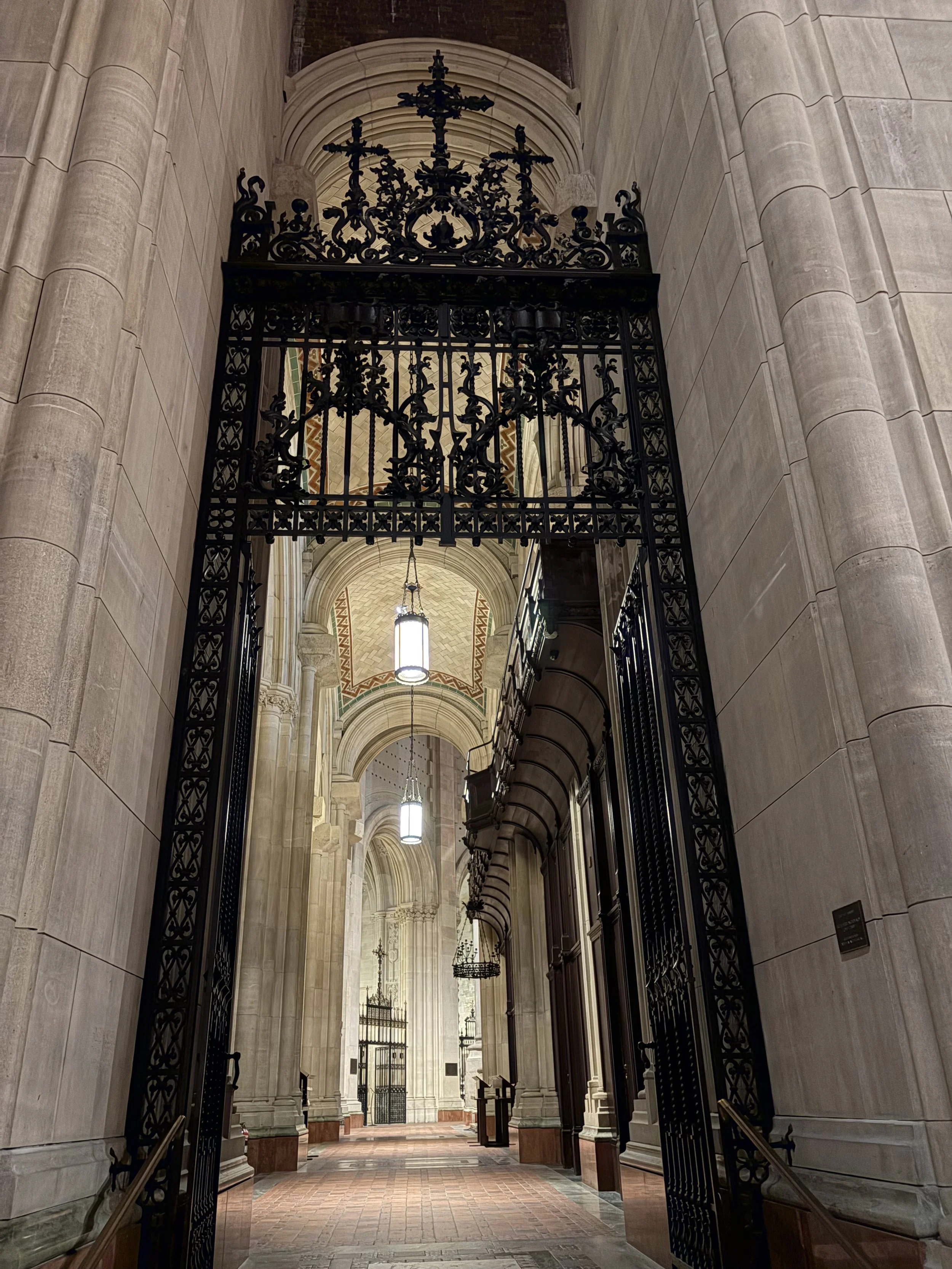
Figure 04 - The metal work gates