The City: Barcelona
I attended BarcelonaNOW on April 22nd 2026 at NYU Espacio de Culturas (KJCC). This is a program celebrating Barcelona's selection as the UNESCO/UIA 2026 World Capital of Architecture. Presented by the American Institute of Architects New York Chapter (AIANY), in collaboration with the Collegi d'Arquitectes de Catalunya (COAC), the program explores the periods of bold urban planning that have created the platform for today's vibrant city. Barcelona is recognized for its focus on community, culture, resiliency, and streetscapes, providing an opportunity for cross-fertilization of ideas benefiting architecture and design in addressing the challenges of 21st century global cities. The program includes presentations and panel discussions from over a dozen emerging and established architects and urban planners with a look at current design proposals and initiatives that enhance neighborhoods, revitalize the city's industrial heritage, and build affordable social housing, all contributing to shaping just and sustainable communities. Barcelona will be hosting the UIA World Congress of Architects in June 2026. (https://culturenow.org/event/barcelonanow:-2026-world-capital-of-architecture).
An interesting initiative to set the context - why Barcelona? An excellent mix of speakers includes architectural practices with offices in New York and Barcelona and city officials. The presentations are short and meaningful with an overview of projects addressing diverse scales of urban design - from urban regeneration, infrastructure and landscaping to the individual dwelling unit in social (affordable) housing.
Forma urbis is the focus of the first keynote speaker, Joan Busquets, Professor of Urban Design and Planning, Harvard University Graduate School of Design. He goes back in time to trace the growth of Barcelona and compares it with Manhattan. Both are based on my favourite architectural tool, the grid. Professor Busquets reiterates the idea of the development of the city being “loyal” to its origins as "incredibly amazing”. The grid is the “magical” instrument that allows the city to remain resilient and grow without compromising its form and character. The grid, as a liberating influence instead of an ordering principle, is usually the repetitive narrative in my undergraduate architecture studio (eye roll by the class) as well as my practice, therefore Le Corbusier (air- bow). So when I discovered the grid in the Samaranganasutradhar, obviously, I was excited. What struck me was that the expansion of the old city of Barcelona is generated from the core itself - the street continues into the expansion and the scale of built volume to open space is maintained, though modified in form. In colonial New Delhi, the core and the new development are separated and the geometry feels forced, almost alien. The Professor traced the evolution of the city of Barcelona so effectively that one is able to almost experience the process from the presentation as the visual information is replete with architectural information.
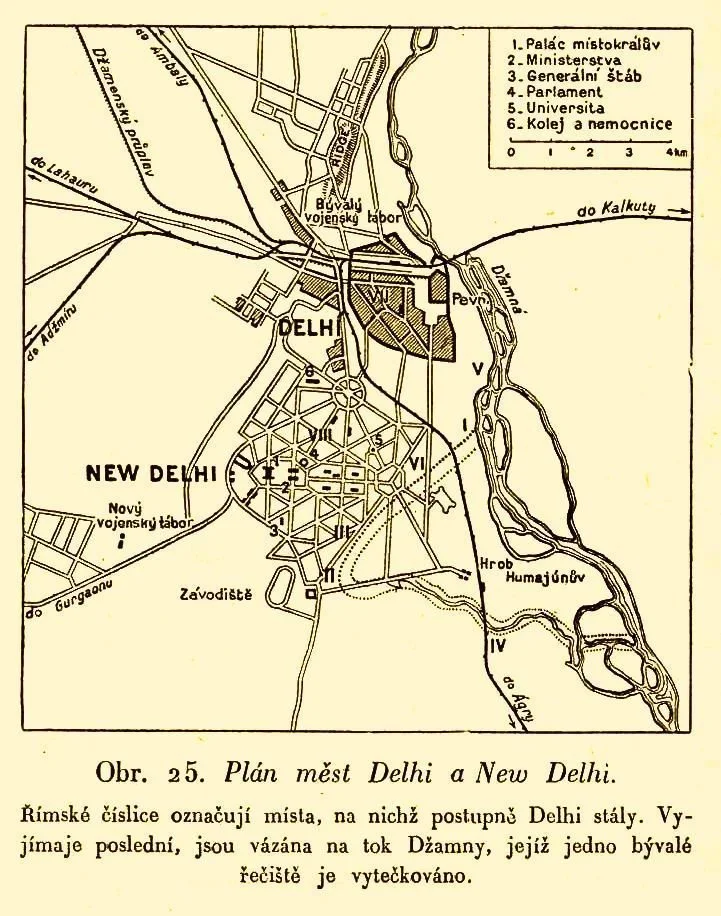
Figure 01_The separation of the “new” settlement from the “old” signified by space, accessibility and geometry
Source https://en.wikipedia.org/wiki/Shahjahanabad#/media/File:Pl%C3%A1n_m%C4%9Bst_Delhi_a_New_Delhi.jpg
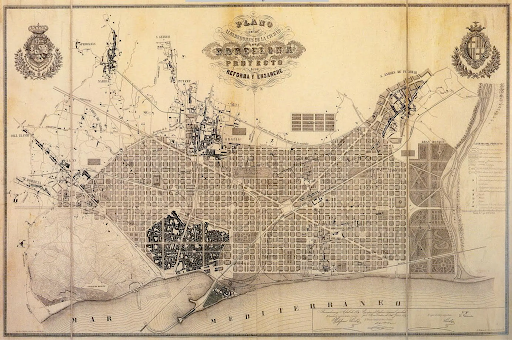
Figure 02_The integration of the expansion of the historic core settlement with the aid of the geometry of the grid.
Source : https://www.grupnn.com/en/news/a-journey-through-time-the-evolution-of-urban-planning-in-barcelona
Maria Buhigas is the Chief Architect of Barcelona and started with the thought that globally, cities should not have limits or boundaries as populations expand, both in number and complexity. Some features of impacting cities include post COVID impact on physical and mental health, tourism leading to overcrowding, inequalities, uncertainty about the future and climate change. She went on to point out that cities are no longer demarcated by land use as the boundaries between living, working and relaxing are fuzzy. She noted that one fourth of the open area in the city are parcels of land that are left over after planning (SLOAP). The decision to reclaim this land for providing public open areas for the urban dweller has commenced. The interesting initiative of the City is to provide shade in open spaces with tensile fabric shading space frames or trees which has enhanced the usability in the increasingly hot summers due to climate change. This is a valuable lesson for cities in hot climates to encourage the use of open to sky zones. Climate change and its implications on the city is highlighted as a design criteria to generate simple and responsive architectural spaces.
Almost all presentations began with referencing the historical precursor of the site - where it all began. MARVEL architects went back to 1472 to approach the repurpose of an infrastructure building, the powerplant. (https://marveldesigns.com/project/les-tres-xemeneies/. The main design features are a porous volume, raw finishes and getting nature inside with light and green space. Given the iconic association of the three chimneys in the local urban image district, they retain their original form. The impact of history and its integration into urban memory is demonstrated without succumbing to the ego of manifesting agendas. It is noteworthy that the artefact to be celebrated is three industrial chimneys in the brutalist style, not a neoclassical sacred building! A very long time ago, there was a brutalist building in New Delhi, the Chanakya theatre which was to be pulled down to be replaced with a mall. We had conducted late night candle light vigils to save the building and my children were with me. They asked me as to why I want to save such an “ugly” building. I had to go into my teacher mode to explain that aesthetics are subjective and why even “ugly” history should not be erased but lost them at aesthetics and they got busy lighting the candles. I did not share with them that this is personal - I went on my first date with their dad at Chanakya theatre. I pulled myself back to the presentation in NYC.
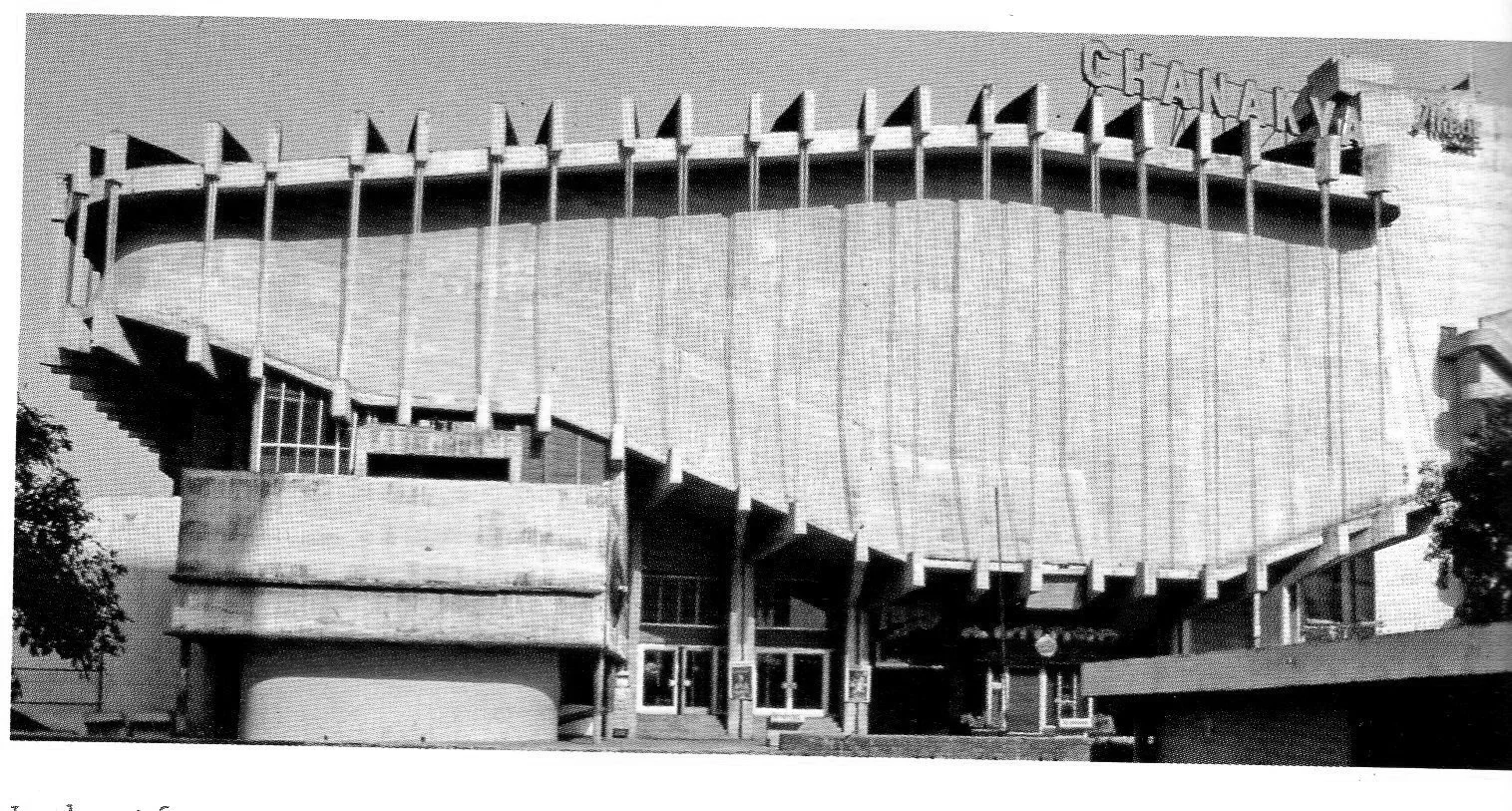
Figure 03_The original brutalist Chanakya cinema theatre opened in the 1970’s.
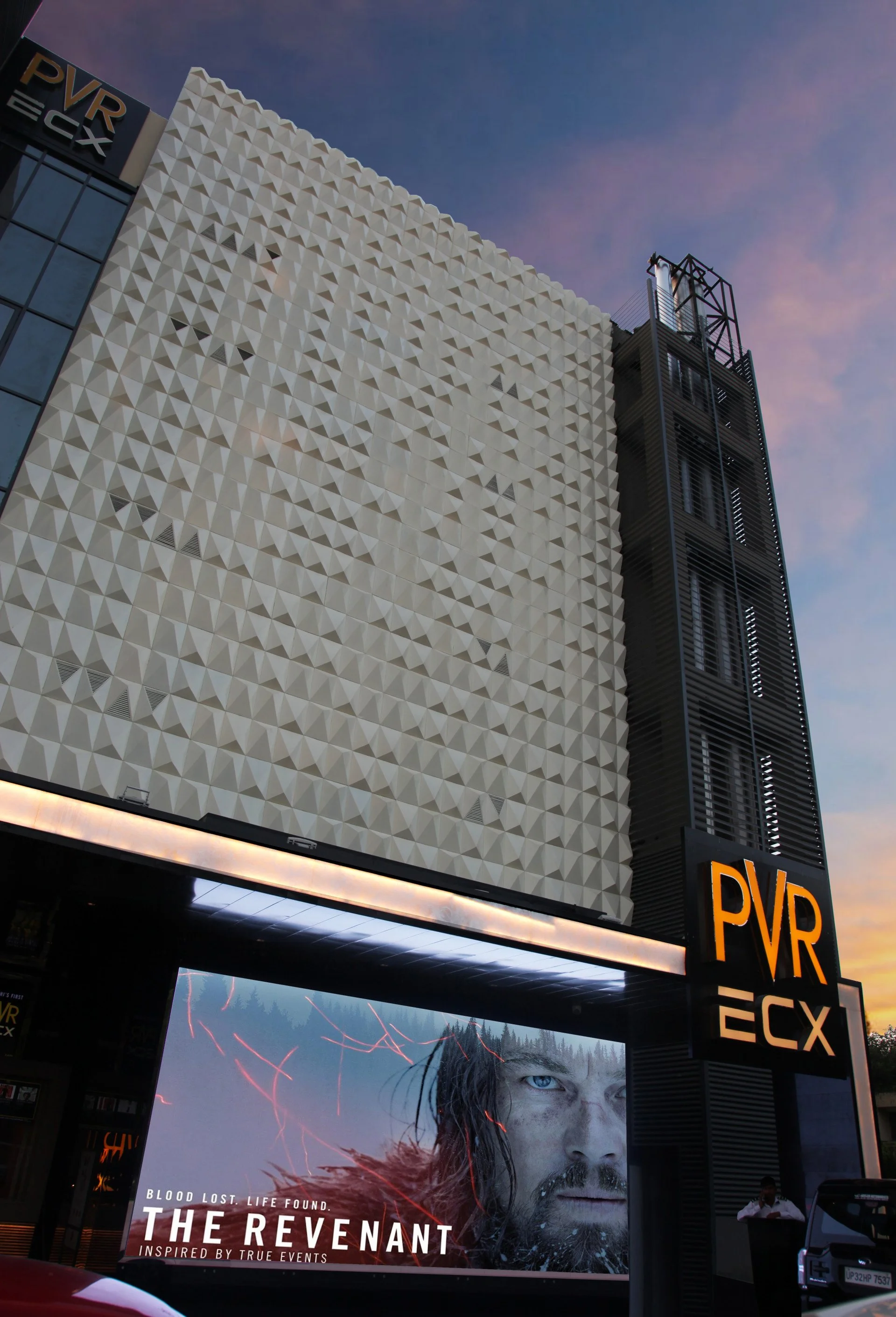
Figure 04_The PVR cinema and mall that replaced the Chanakya theatre
Fira Barcelona Business Hub by BIG in collaboration with Barcelona-based MIAS Architects is the redevelopment of a commercial zone in the old part of Barcelona. The inspiration for this project is rooted in the historical genesis of the complex - a heritage project. The proposal focuses on retaining the colonnade to allow the symmetrical neoclassical composition to focus on the plaza. Addition of glass wall is removed to free the colonnade to act as a transition area between the plaza and the semi-public court. True to BIG philosophy, the built intervention is simple and almost brutalist in its form representation. The solid intervention is a stepped form which appears as striations and appears to be an interpretation of the colonnade - a definitive incision into the historical fabric. How can we have a BIG building without angular forms? The street side culminates in the signature acute angled quadrilateral plane floating above the street level and creating a funnel to capture the view of the city from inside the building. Clerestory windows seem to bathe in interiors with natural light. To be honest, I was expecting BIG offices to create substantially enhanced drama as in their other projects, especially one that I walk across frequently, the Via 57. This is a form that stands apart in Manhattan, a significant endeavour in the capitalist “Look at me, I am Special” metropolis.
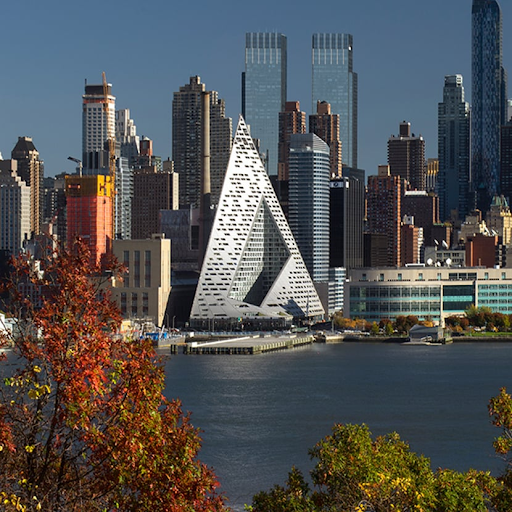
Figure 05_The VIA 57, New York by the BIG.
Source : https://www.theplan.it/eng/award-2017-Housing/via-57-west-1
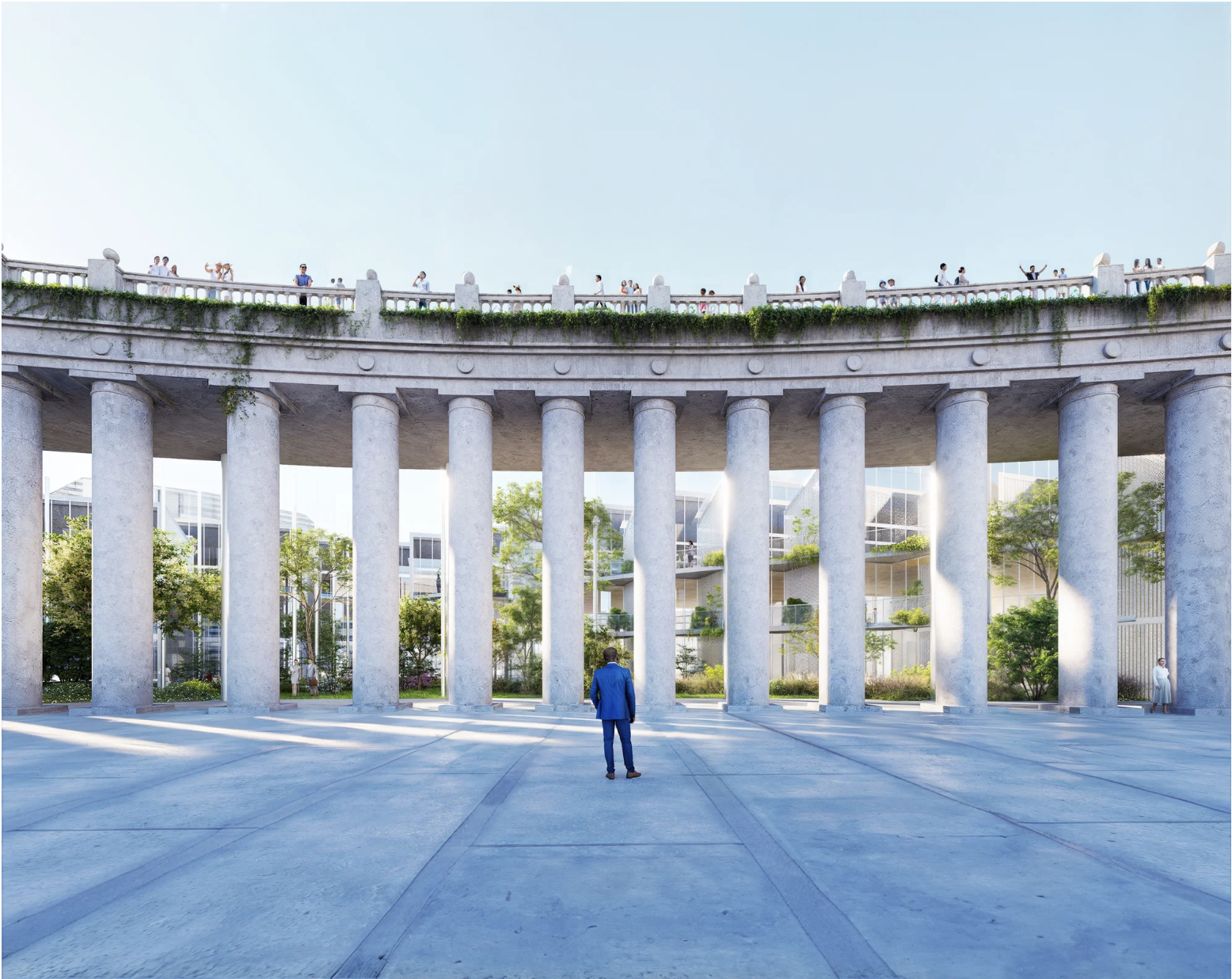
Figure 06_The colonnade is retained with the jagged edges of the new structure behind
Source : https://big.dk/projects/fira-barcelona-business-hub-21008
Fermín Vázquez of b720 Arquitectos talking about La Sagrera Station in Barcelona discusses the impact of an intervention in a “faultline” - a sliver of land dividing two contiguous neighbourhoods. The proposal inserts a public landscaped area crisscrossed by pedestrian walkways and “agora” nodes over a busy train station. The form language is alluding to sustainability with an undulating exposed timber space frame which hopes to be a significant landmark in the city. The project is under construction and is projected to be done next year. This is one remarkable intervention that places Barcelona among the urban conglomerations to observe and study for the impact of urbanisation in historic cities. An aside, the drawings are composed effectively.
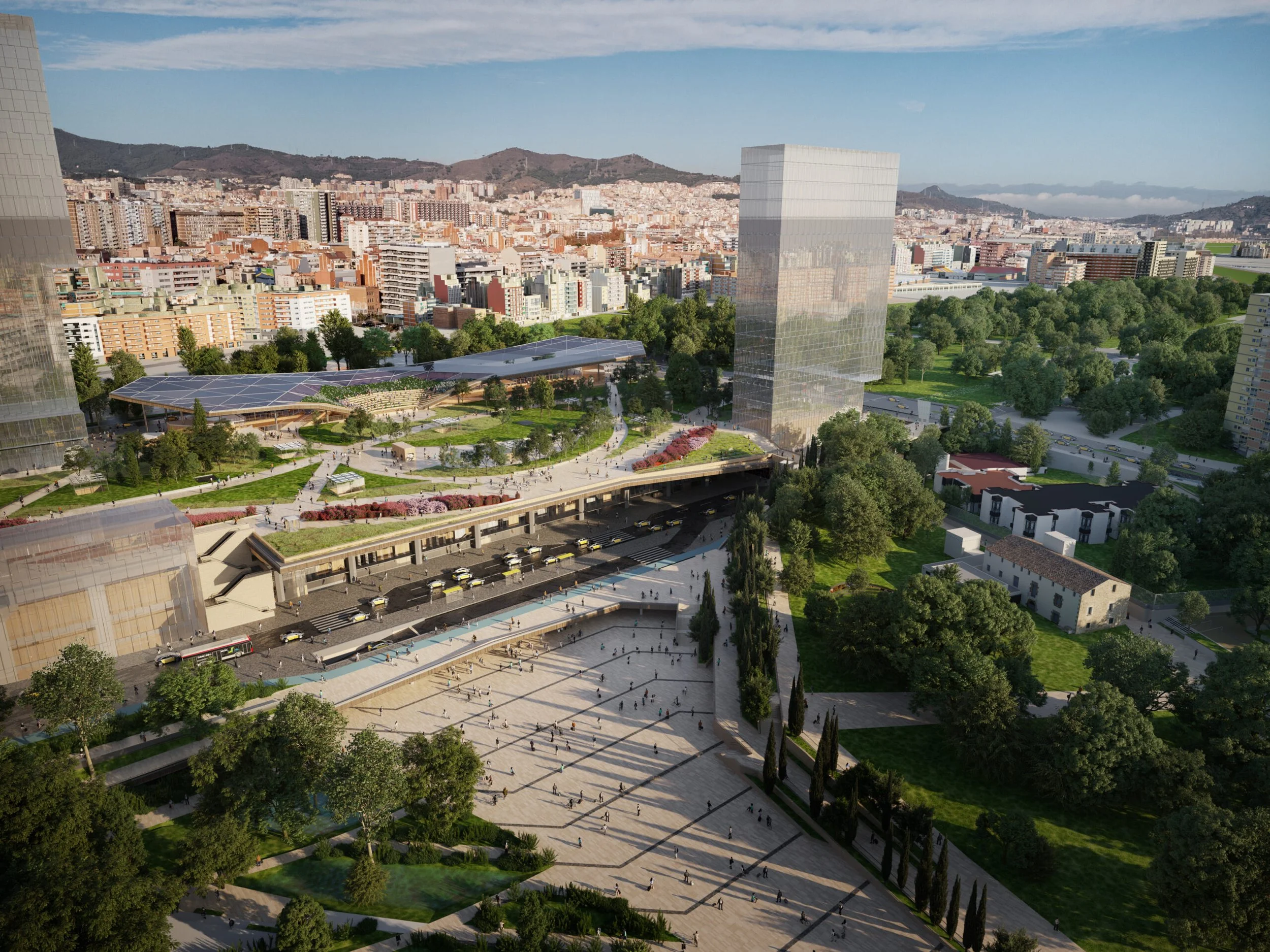
Figure 07_The surgical incision in the dense city.
Josep María Borrell, Director of IMPSOL in Barcelona talking about the city's social housing projects. This is a promoter of social housing projects , an interesting job title in today’s money chases money world. His presentation is, surprisingly, research based and comprehensive. The proposals for social housing projects are invited through a competition, a refreshing idea in these times of nepotism and crony capitalism. The first stage asks for design ideas in an anonymous process evaluated by an external and plural jury. Learnings from Josep’s talk are critical for social/affordable housing projects in the global context. Social parameters include gender balance - everyone in the family works everywhere in the dwelling, all rooms are equal sized to promote modular and flexible living - the “bedroom” may be the “living room” for some while the “kitchen” may be the “office” for others, and finally, the common areas as social spaces as well as circulation. This is reminiscent of the dwelling unit set out in the Samaranganasutradhara - the shala is the modular unit that is adapted to the function of living, sleeping, cooking, meeting, storage among other complex social requirements. The alind is the transition space that is activated with diverse functional usage. Another form based similarity is the central courtyard - the difference is that the courtyard in Barcelona seems to be primarily for natural light and ventilation while in the traditional dwelling , the courtyard is an outdoor room. There is an interesting comparison between dwelling plans from 2000’s and more recent examples highlighting the hierarchy in room sizes and complex circulation patterns versus same sized rooms and a uniform circulation space activated with functional usage. The warm terracotta coloured floor tiles provide colourful contrast to the minimalist exposed concrete and white interior palette - colour is good! The Barcelona projects focus on creating common areas with first, more than two entrances per floor to allow for community interactions and activation of landings and corridors, second, activating rooftops into recreation zones and design car parking in the basement as flexible areas for large community functions. Basement car parks are forlorn and sinister spaces in housing communities and benefit from natural light with lightwells and periodic puncturing to connect the ground level with the subterranean, almost like a step well! Other facilities like common washing machines, working tables, playrooms are included - a thought, what if there is a communal kitchen also… would that work in social housing, what about a creche for children - mostly facilities that young working couples may need as they constitute a significant portion of the residents. Josep also talks about the mixed profile of residents - seniors, young families, single parents and other urban family morphologies. This allows seniors to remain engaged by contributing in watching over young supervised children while the parents work or young mothers providing daycare and meal services for their neighbours. Sounds idyllic, right? The housing block is designed for comfort during summer and winter by kinetic elements that are controlled by the dwellers, along with a manual that sets out processes and instructions which is designed by the architects. The design process is participatory and the architects demonstrate to the dwellers the efficacy of the dwellings through participatory discussions. Question - how do you address the naysayers,pessimists, doomsdayers, toxicity and other negative individuals in a community event explaining architecture?
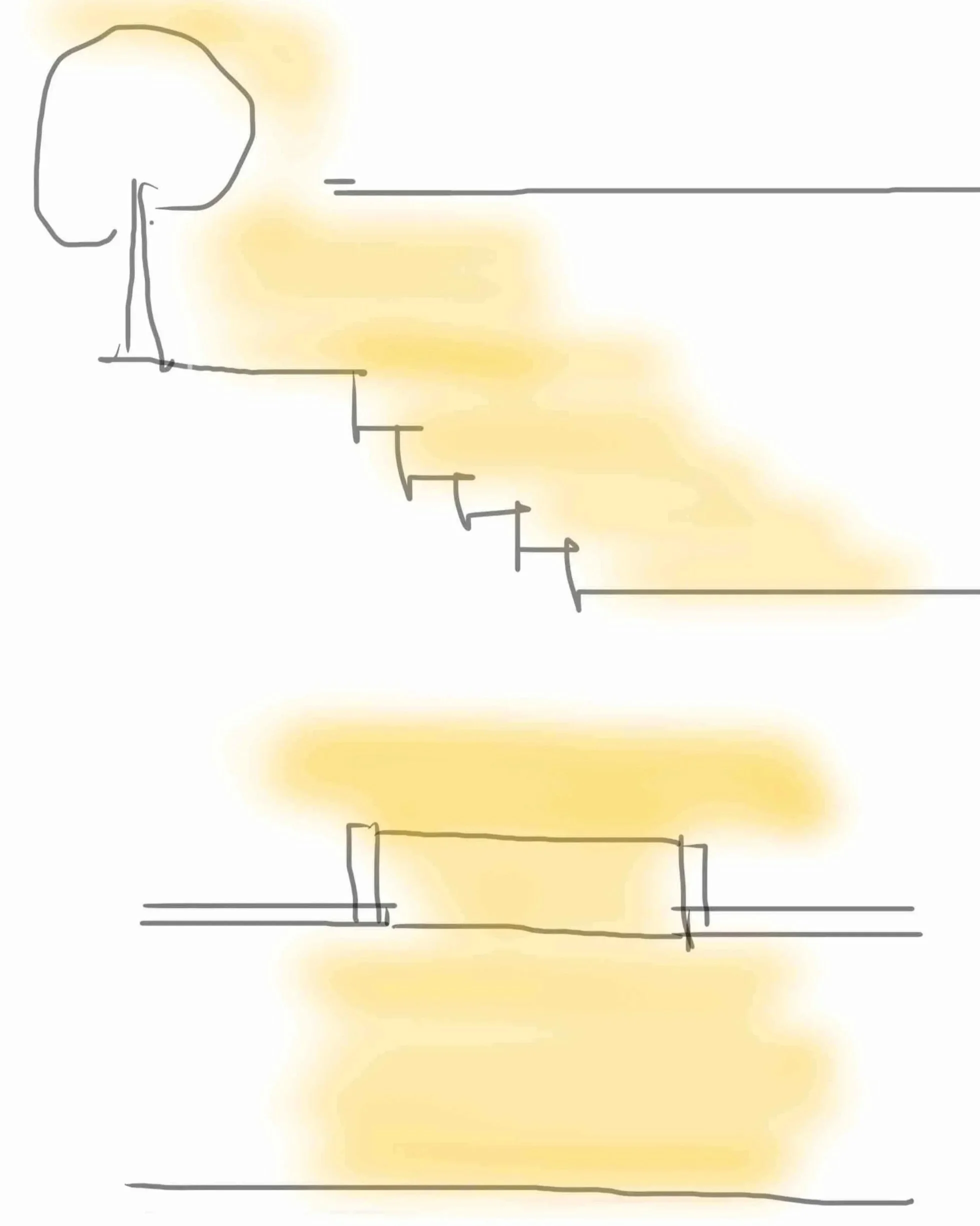
Figure 08_Conceptual sketch of sunlight filtering into subterranean space
Source : Author
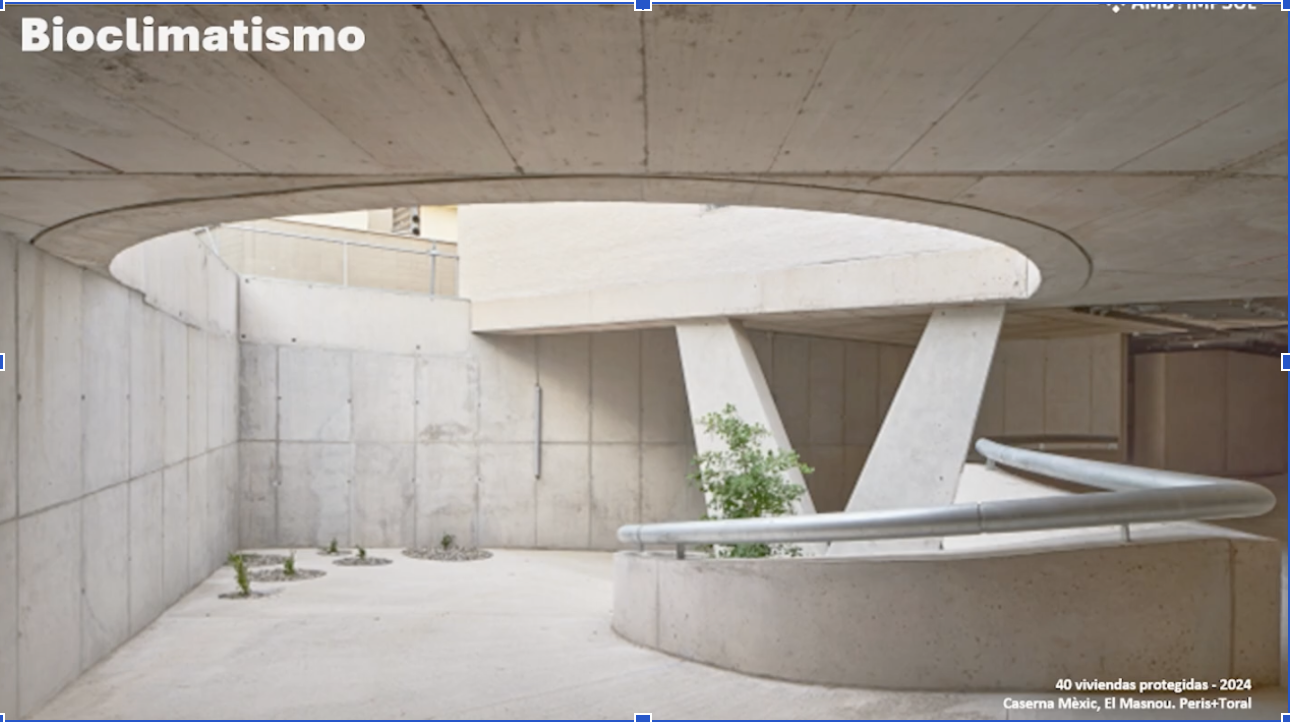
Figure 09_Basement parking as a social space with natural light
Source : https://youtu.be/jX37i5_11i8
Vicente Guallart, the founder of Institute for Advanced Architecture of Catalunya, Barcelona talked about the “Gates to Collserola” initiative. This is in response to the climate crisis and the drive to stretch the limits of Barcelona to the mountains beyond the city. Again, a competition generated interesting proposals to connect the mountain to the sea with corridors that are focused on integrating plants and trees into the urban fabric. A ring road curtails the city which is bridged by developing an artery that runs through the city giving rise to a vantage point from where the city may be viewed as a panorama utilizing the elevation of the mountain. This initiative has also revitalised the underdeveloped zones in the city. It is interesting to think about the relationship between the design philosophy of IAAC and the urban design initiatives of Barcelona considering that the faculty is actively involved in the envisioning of the city.
Xavier Matilla, Co-founder of Territoris XLM, Barcelona talked about the Superilla concept, the Green Axis and Squares in the Eixample. The “superblock” idea focuses on combining the modular blocks into one unit to allow vehicular traffic to be routed around to create pedestrian spaces. He went on to show the transformation of traffic intersections into public plazas with landscape elements giving rise to congregation events. Air and sound pollution decreased and livability registered an increase with the introduction of trees and the removal of vehicles. An encouraging case study that may be adapted to densely populated cities in similar contexts.
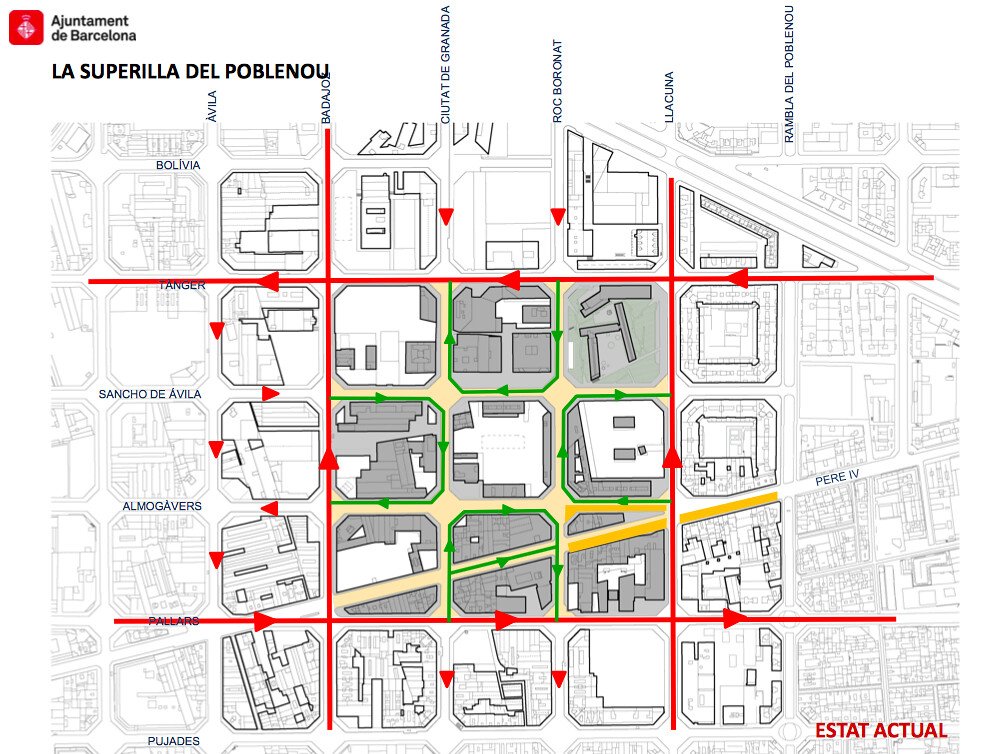


Figure 10_The module in a part-whole relationship giving rise to the “superblock”
Source : https://spacing.ca/vancouver/2024/10/14/the-barcelona-chronicles-the-superilla-pilot/
So why am I talking about Barcelona to initiate the blog?
It feels right, especially as it is Gaudi’s 100th year anniversary and the Sagrada will be inaugurated.
To new beginnings.
Neena Zutshi
May 15, 2026