The processes of creating embodied space
A deep dive into embodied spaces - what, why and how?
Embodiment is produced through spatial structure intersecting with the human body and mind. More than an analytical appendage to decode existing space, this is a methodology of creating space that is embodied - a shift from reading architecture to modelling embodied space.
The process reconstructs how architecture conditions the body to generate meaning through movement, perception, and orientation. Stages of the process include reading the site as a pre-configured field of constraints and affordances, architectural intervention as a protocol instead of an object and the body as a receptacle navigating space in a choreographed sequence. How is space registered and interpreted by the biological inhabitant? How does experience become knowledge through repetitive interaction?
SPATIAL FIELD
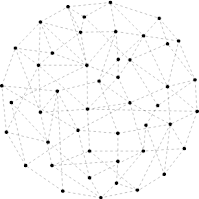
Figure 01 - A network of connected nodes of sensory foci
STRUCTURAL ENCODING
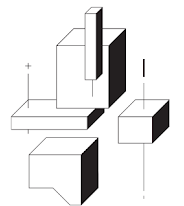
Figure 02 - Architecture encoding space producing structured arrangement of materiality
KINETIC SEQUENCING
Figure 03 - The activation of perception and cognition of the environment while navigation
PERCEPTUAL ACTIVATION

Figure 04 - Sensory activation
EMBODIED KNOWLEDGE
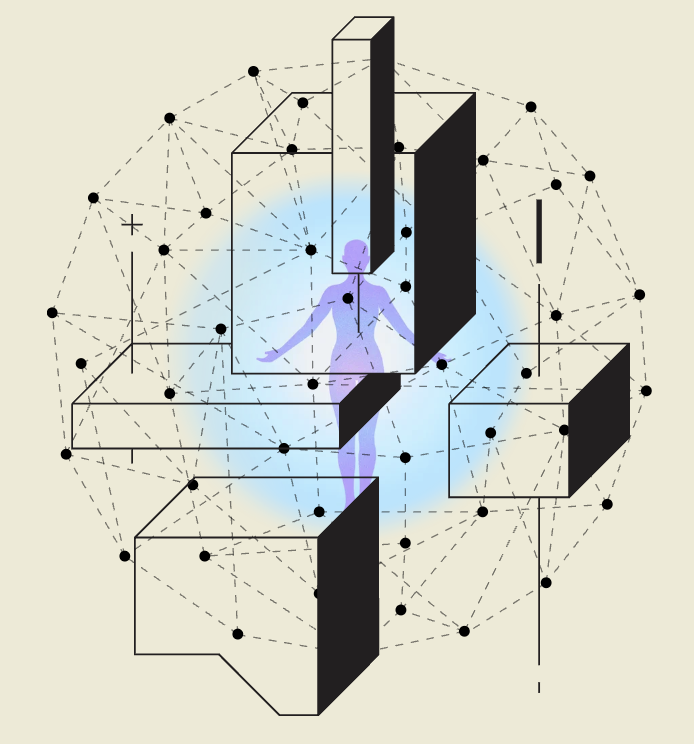
Figure 05 - Embodied immersion in a complex network
How does architecture produce embodied knowledge?
What is the “spatial field”?
Architecture is envisioned as situated in the universe. The influence of astronomical bodies - the sun, moon, and other mobile extra terrestrial objects is acknowledged. As we zoom into the earth , the impact of the sun - light and heat, is integrated in the design process. Focusing on the site, the node of the spatial feed is defined by the site delineation. This positions the land as situated within a system of three dimensional space activated by a host of factors, primarily light and the wind moving across the site. Architects receive a site identified as a pre-configured field of constraints and affordances. The reaction of the architectural solution may be categorised as ignore/control/cooperate/configure. The embodied process prefers to cooperate and configure with the factors beyond the ambit of human influence, at all scales of interaction.
Structure → logic of the general arrangement
The architectural arrangement of spaces, popularly termed the plan, organises the insertion of external elements into a network of existing vectors. This is conducted with the aid of ordering principles like symmetry, datum, axis, hierarchy, pattern and other tools. The object, who is the recipient of these exertions, the human (or the animal!) is firmly enmeshed within this complex web of virtual force fields. Things get more complicated as the architecture itself produces its own network of force fields - the impact of the physical structure on the human sensory system as well as the activation of the space with human inhabitation.
“When designing physical spaces, we are also designing or implicitly specifying distinct experiences, emotions and mental states. In fact, as architects, we are operating in the human brain and nervous system as much as in the world of matter and physical construction.” – Juhani Pallasmaa, The Architecture of Empathy
〰️
“When designing physical spaces, we are also designing or implicitly specifying distinct experiences, emotions and mental states. In fact, as architects, we are operating in the human brain and nervous system as much as in the world of matter and physical construction.” – Juhani Pallasmaa, The Architecture of Empathy 〰️
Space is encoded with instructions on cognition and perception that are analysed by the human brain.This intersects with neuroarchitecture studies, a field examining the relationship between the human brain and architectural space.Cognitive neuroscience studies relationships between our brain’s responses and the environments we inhabit, offering architects a scientific foundation to engage with its inhabitants.
Next we will explore the process of perceptual activation to generate embodied knowledge.
Till then, notice your experiences!